
Lise Grøva
Forsker
Biografi
Sammendrag
The experiment aimed to investigate the effectiveness of a Monil virtual fence collar for small ruminants on mature Norwegian White ewes at the NIBIO Tjøtta station. The study aimed to evaluate the animals' learning ability and welfare, compare two auditory cues (Original vs. Modified; collar treatment), and examine the effects of wool (Shaved vs. Unshaved) on the efficacy of the virtual fence system. A total of 16 ewes were randomly assigned to two groups of 8, each equipped with one of the collars, and further divided based on wool treatment. Two mirrored training arenas were set up for the two groups. For two days, the collared animals had unrestricted access to graze the entire arena (VF-Off). This was followed by two days of restricted access to 2/3 of the arena using the virtual fence collars (VF-On). After the fourth day, the animals were switched to the other arena as a crossover design, and the sequence of VF-Off and VF-On was repeated. Data collected included position and cue logs from the virtual fence collars, heart rate monitors, and observation data gathered through three methods: Video Surveillance, Direct Observation Time Budget, and Pressure Marks Assessment. Our results indicate that the ewes were able to learn to avoid restricted zones effectively, relying more on auditory cues than on electrical cues. The virtual fence cueing imposed short-lived stress (acute stress), with both behavioral and physiological metrics returning to baseline levels within five minutes. Additionally, exclusively auditory cues resulted in less stress compared to cues associated with electrical stimulation. No indicators of chronic behavioral stress were observed. However, we found that the collars needed to move freely on the animals' necks to prevent pressure marks, suggesting that the ewes should be shaved around their necks before wearing the collars. While collar treatment showed no significant effects, wool treatment indicated that the shaved group was more compliant with the virtual fence system due to reduced insulation, which enhanced the effectiveness of electrical cues. During the deployment with the unshaved group, there were three instances in which the animals received an electrical cue that did not elicit the animal response, allowing for their “escape” over the virtual fence boundary. Therefore, equipping the virtual fence on shaved animals is paramount for enhancing the system's reliability. If the suggestion is followed, the system can effectively be used for sheep without compromising animal welfare.
Sammendrag
Det er ikke registrert sammendrag
Sammendrag
Nord-Norge har svært gode beiteressurser og en stor uutnyttet beitekapasitet, men store utfordringer med nedgang i antall beitedyr og utmarksbeitebønder. Manglende rekruttering, motivasjon og økonomiske utfordringer er pekt på som årsaker til nedgangen. Teknologi som sporingsbjeller, virtuelle gjerder og droner er verktøy som utmarksbeitebonden kan ha stor nytte av/Northern Norway has high quality grazing resources and large, unused grazing capacity, yet faces major challenges due to a decline in the number of grazing animals and rangeland farmers. Lack of recruitment, motivation, and economic difficulties have been identified as reasons for this decline. Technologies such as tracking collars, virtual fencing, and drones are tools that can be highly beneficial for rangeland farmers.
Divisjon for skog og utmark
DIGI-Rangeland
Hvordan kan nye digitale verktøy være til hjelp for utmarksbeitebonden? DIGI-Rangeland er et europeisk nettverksprosjekt. Her skal kunnskapsdeling og kommunikasjon mellom ulike aktører i utmarka være et utgangspunkt for arbeidet med å forstå hvordan nye digitale verktøy kan være til hjelp for utmarksbeitebonden. Det er 10 ulike land med i prosjektet (Frankrike, Romania, Hellas, Spania, Kroatia, Slovenia, Bulgaria, Island, Norge, UK og Sveits).
Divisjon for skog og utmark
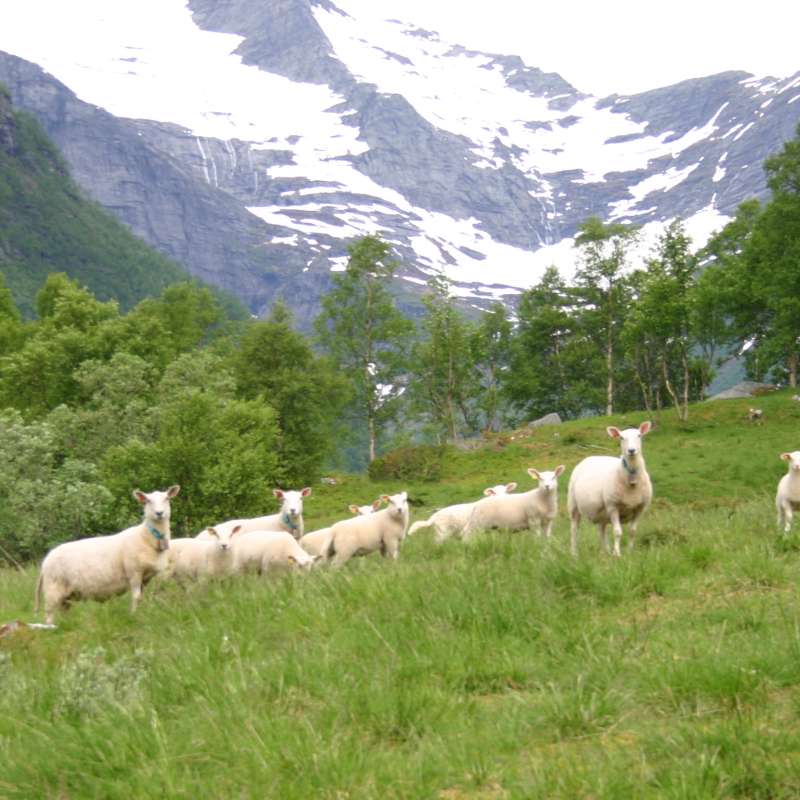
Driftsrelaterte faktorer av betydning for tap av lam på utmarksbeite
Prosjektet skal utarbeide en veileder for sauenæringa om driftsrelaterte faktorer som påvirker tap av lam på utmarksbeite
Divisjon for skog og utmark
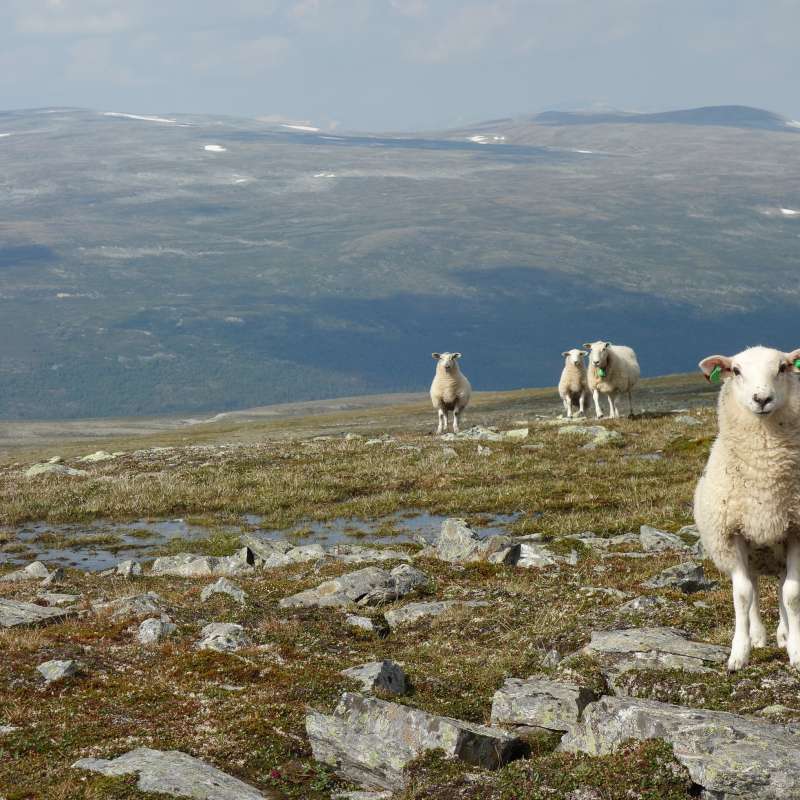
Jerv som predator på småfe i Nord-Gudbrandsdalen
I dette prosjektet skal vi dokumentere jervens rolle som skadevolder på sau, og identifisere effektive tiltak for å forebygge slike tap. Prosjektet gjennomføres i fem kommuner i Nord-Gudbrandsdalen som har hatt store tap til jerv. Funn og metoder herfra vil ha overføringsverdi til andre deler av landet.
Divisjon for skog og utmark
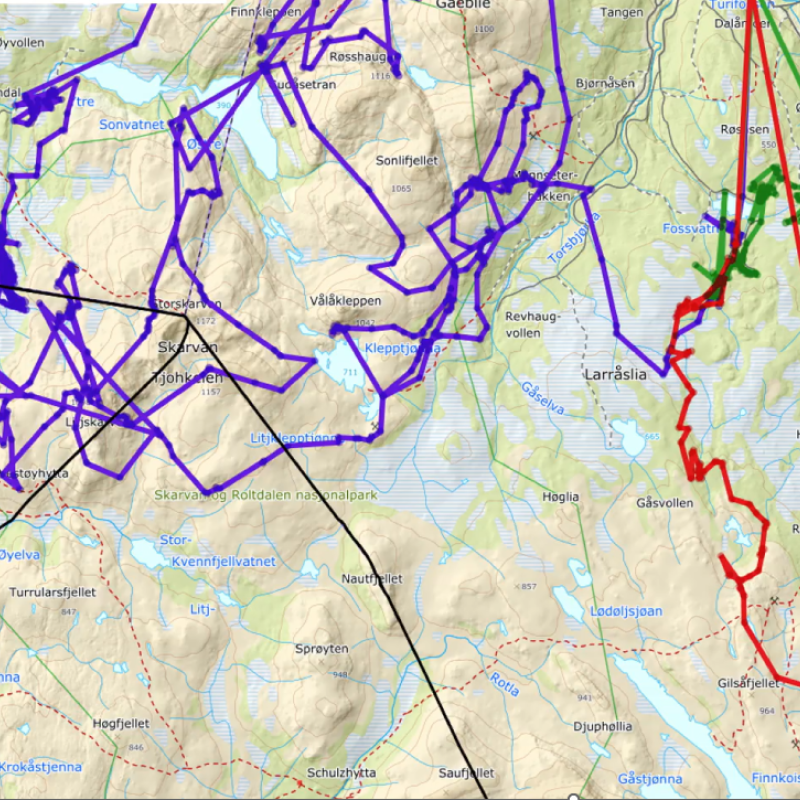
SPOR
Prosjektet
Divisjon for matproduksjon og samfunn
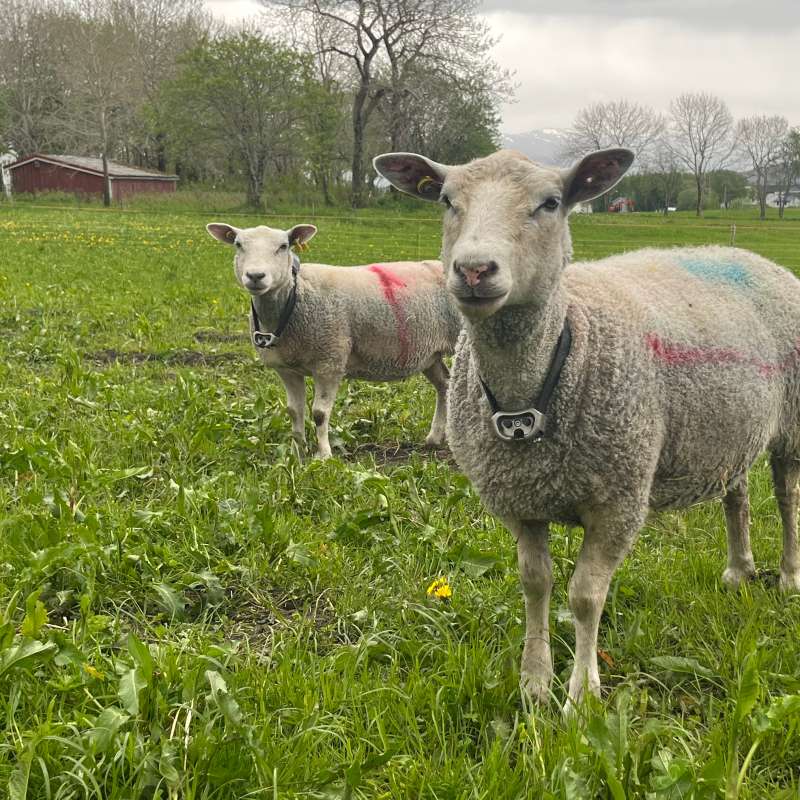
Techgraze – Integrating Advanced Technologies for Enhanced Grazing Practices in Norway
In Norway, a declining grazing pressure and farm abandonment have led to undesirable ecological and socio-economic outcomes. The TechGraze project aims to address these challenges by integrating Virtual Fencing (VF) and Remote Sensing (RS) technologies to enhance pasture-based livestock management.
Divisjon for matproduksjon og samfunn
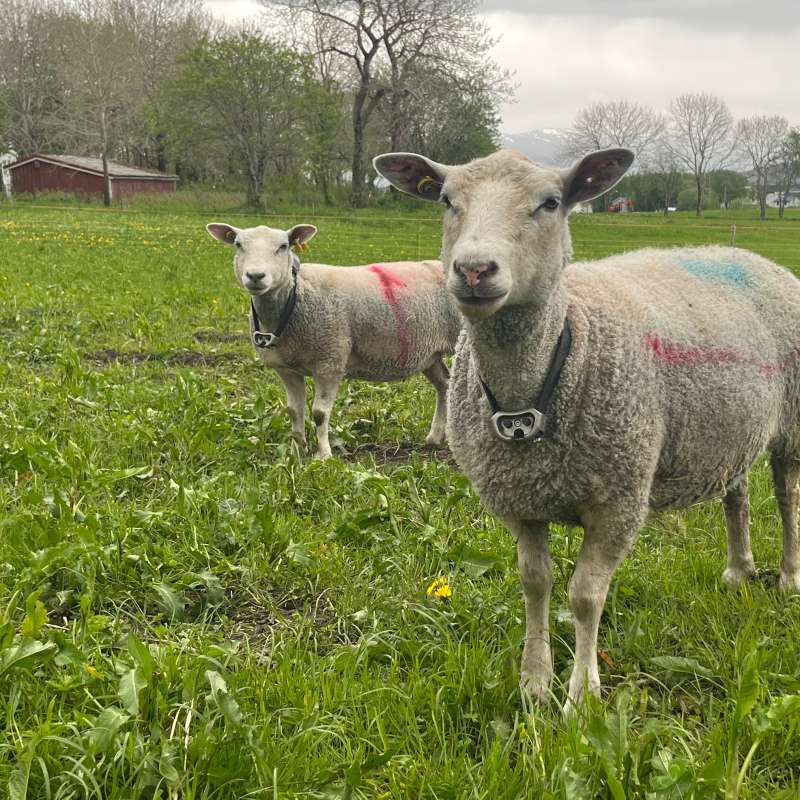
Techgraze – Forbedret beitepraksis i Norge med bruk av avansert teknologi
Redusert beitetrykk og nedleggelse av gårdsbruk har ført til uønskede økologiske og sosioøkonomiske konsekvenser. TechGraze-prosjektet tar sikte på å møte disse utfordringene ved å integrere Virtual Fencing (VF) og Remote Sensing (RS)-teknologier for å forbedre beitebasert husdyrforvaltning.