
Tor-Einar Skog
Seniorrådgiver
Biografi
- Programvareutvikler og -arkitekt for flere av NIBIOs nettjenester: VIPS, LandbruksMeteorologisk Tjeneste (LMT), Plantevernleksikonet, Plantevernguiden, Nitrogenkalkulatorer m.fl.
- Faglige tema for tjenestene: Integrert Plantevern (IPV/IPM), plantevernmidler, nitrogengjødsling, værdata, værvarsler, skadegjørermodeller, skadedyr, soppsjukdommer
- Prosjektleder for internt kompetanseprosjekt om maskinlæring/kunstig intelligens.
- IKT-teknologier i bruk: Linux, PostgreSQL, Python, Java, HTML/CSS, JavaScript, Apache, WildFly, Django
Forfattere
Arne Hermansen Belachew Asalf Tadesse Annette Folkedal Schjøll Marit Skuterud Vennatrø Erling Fløistad Tor-Einar Skog Anette SundbyeSammendrag
Det er ikke registrert sammendrag
Forfattere
Wiktoria Kaczmarek-Derda Trygve S. Aamlid Ingerd Skow Hofgaard Tatsiana Espevig Khaled Murad Agha Anette Sundbye Zahra Bitarafan Kirsten Tørresen Heidi Udnes Aamot Andrea Ficke Gunda Thöming Annette Folkedal Schjøll Håvard Eikemo Anne Muola Therese With Berge Belachew Asalf Tadesse Jorunn Børve Arne Stensvand Nina Trandem Gunnhild Jaastad Bjørn Arild Hatteland Katherine Ann Gredvig Nielsen Nina Johansen Charles Kwadha Inger Sundheim Fløistad Martin Pettersson Zhibo Hamborg Carl Jonas Jorge Spetz Dag-Ragnar Blystad Özgün Candan Onarman Umu Marit Skuterud Vennatrø Jan Philip Øyen Solveig Haukeland Tor-Einar Skog Roger Holten Anne Straumfors Valborg Kvakkestad Line Ulberg Tveiten Ingrid FlatlandSammendrag
I Jordbruksoppgjøret 2025 (Prp. 149 S (2024 – 2025)) ble det enighet om at kunnskapsstatus og -behov innen plantehelseområdet fra 2019 måtte oppdateres. Det er gjort i form av denne rapporten. Den bestilte utredningen er avgrenset til skadegjørere og planteverntiltak som er relevante for jord- og hagebruk. Utredingen tar for seg kunnskap, prosjekter og kunnskapshull siden 2019 og fram til i dag (2026). Kapittel 1 omtaler metodebruk og plantevern i et beredskapsperspektiv. Kapittel 2.1-2.8 omhandler status for utfordringer med skadegjørere og tilgang til planteverntiltak for alle aktuelle plantekulturer for ugras, skadedyr og sopp. Kapittel 2.9 gir en oversikt over godkjente og utgåtte plantevernmidler siden 2019. Kapittel 2.10 omhandler skadegjørere hvor kjemiske plantevernmidler er i begrenset bruk. Det vil si virus, bakterier og nematoder. Kapittel 3 tar for seg ny teknologi og innovative metoder for integrert plantevern og faktorer som påvirker bruken av disse. Kapittel 4 omhandler miljø- og helseeffekter knyttet til bruk av kjemiske plantevernmidler, hvilke plantekulturer som utgjør størst risiko for negative miljøeffekter og faktorer som reduserer helserisikoen. Kapittel 5 tar for seg næringens behov og utviklingstrekk knyttet til kunnskap, rådgivning og tiltak. Dette kapittelet ser også på årsaker til eventuelle endringer i bruk av og behov for plantevernmidler som følge av for eksempel miljøkrav.
Forfattere
Hanna Huitu Tor-Einar Skog Christophe Pradal Antonio Calatayud Tor Skaslien Brita Linnestad Ari Ronkainen Christian Fournier Marc Labadie Dave Skirvin Matti Pastell David Melchior Johannes Tobiassen Langvatn Berit NordskogSammendrag
Decision support systems (DSS) in crop protection provide valuable support for pest risk prognosis and recommendations for pest control, enabling farmers to make better-informed decisions. As a part of the European Union’s strategy for the sustainable use of plant protection products, the “IPM Decisions” project developed an online platform that gives farmers and advisors access to a wide range of DSS for major pests, weeds, and diseases in a variety of crops across Europe. Multiple DSS models relevant for different crops and geographical regions of Europe were selected for integration in the platform. Information on the models is compiled into a model catalogue, which serves as a core component of the IPM Decisions platform. To facilitate the use of these models, two application programming interfaces (APIs) were developed. In line with the FAIR (findable, accessible, interoperable, and reusable) principles, the DSS API provides access to models and their metadata, including descriptions of input and output parameters. The weather API enables access to European online weather data sources and adapts this data to meet the requirements of DSS models. While these APIs are integrated into the IPM decisions platform, they are also open source, allowing other crop protection and farm management software to inspect, download, modify, install, run, and use them. In this article, we describe the development of the DSS and weather APIs, outline their structure and definitions, and present the services that DSS API and weather API provide. Finally, we demonstrate their application through three practical use cases.
Divisjon for matproduksjon og samfunn
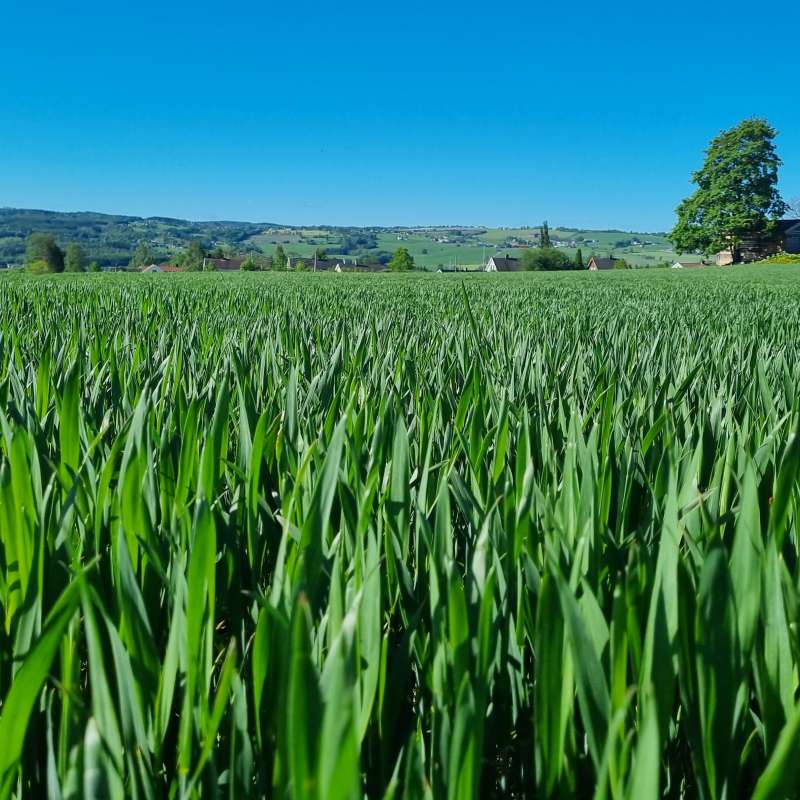
HveteLøft; sortstilpasset soppbekjempelse i hvete for økt avling under IPV-strategier
Divisjon for matproduksjon og samfunn
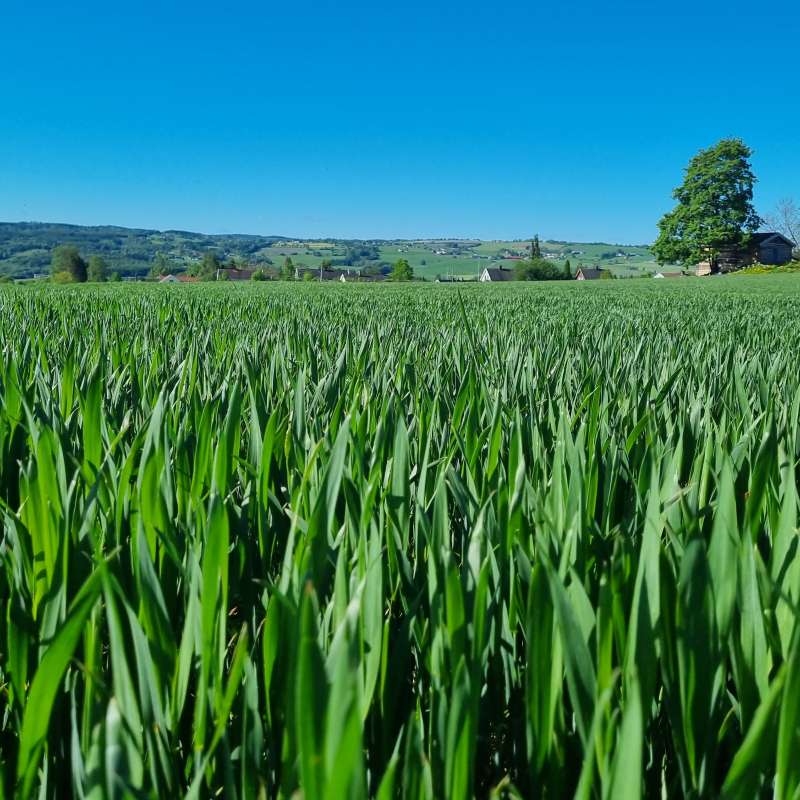
HveteLøft; variety-adapted fungal disease control in wheat for increased yields under IPM-strategies
Divisjon for bioteknologi og plantehelse
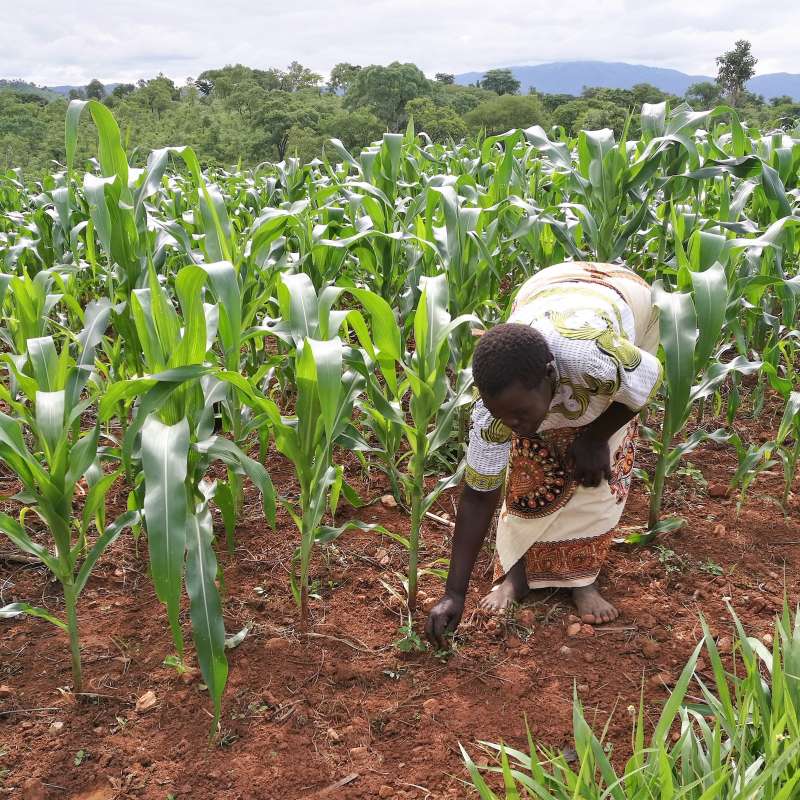
Malawi Digital Plant Health Service (MaDiPHS)
This project will establish a digital agricultural plant health service at the national level in Malawi, based on coordination of internationally developed digital systems.