
Inger Sundheim Fløistad
Seniorforsker
Sammendrag
Det er ikke registrert sammendrag
Sammendrag
Denne rapporten presenterer resultater fra forsøk med bruk av drone til sprøyting og kartlegging av rødhyll (Sambucus racemosa) i foryngelsesfelt med gran. Bakgrunnen er behovet for mer effektive, presise og sikrere metoder for å kontrollere konkurrerende vegetasjon som hemmer etablering og tilvekst av gran. Ved feltforsøk som ble etablert i Trøndelag i 2024 ble dronesprøyting sammenlignet med tradisjonell sprøyting med ryggsprøyte og ubehandlet kontroll. Resultatene viste god effekt av begge sprøytemetoder på rødhyll, med nesten fullstendig bekjempelse ett år etter behandling og uten negative effekter på granas vitalitet. Dronesprøyting ga i tillegg større reduksjon av annen treaktig vegetasjon enn tradisjonell metode, til tross for lavere glyfosatdose. Dette kan skyldes tekniske forhold ved dronesprøyting som gir bedre dekning av bladflater. Etter revisjon av prosjektets målsetting ble drone og kunstig intelligens (KI) brukt for å kartlegge rødhyll i felt. Sammenlignet med bakkebasert kartlegging underestimerte KI-metoden forekomsten av rødhyll betydelig (omtrent 50 %), men forvekslet ikke rødhyll med rogn. Hovedkonklusjonen er at dronesprøyting er et lovende verktøy for presis vegetasjonskontroll i skog, mens drone- og KI-basert kartlegging fortsatt må forbedres før metoden kan taes i bruk.
Sammendrag
Du vanner og vanner, men treet drysser likevel. En forsker forklarer hvorfor vanningen ikke alltid hjelper.
.jpg?quality=60)
Divisjon for skog og utmark
Foryngelse av gran ved planting - ForGran
Svenske og norske undersøkelser viser stor avgang i plantefelt de første årene etter utsetting. Dette innebærer et stort tap både for skogeierne, skognæringen og for samfunnet. Målet med dette prosjektet er å avdekke årsaker til den store avgangen i plantefelt for gran og bruke denne kunnskapen til å gi veiledning om avbøtende tiltak.
Divisjon for miljø og naturressurser
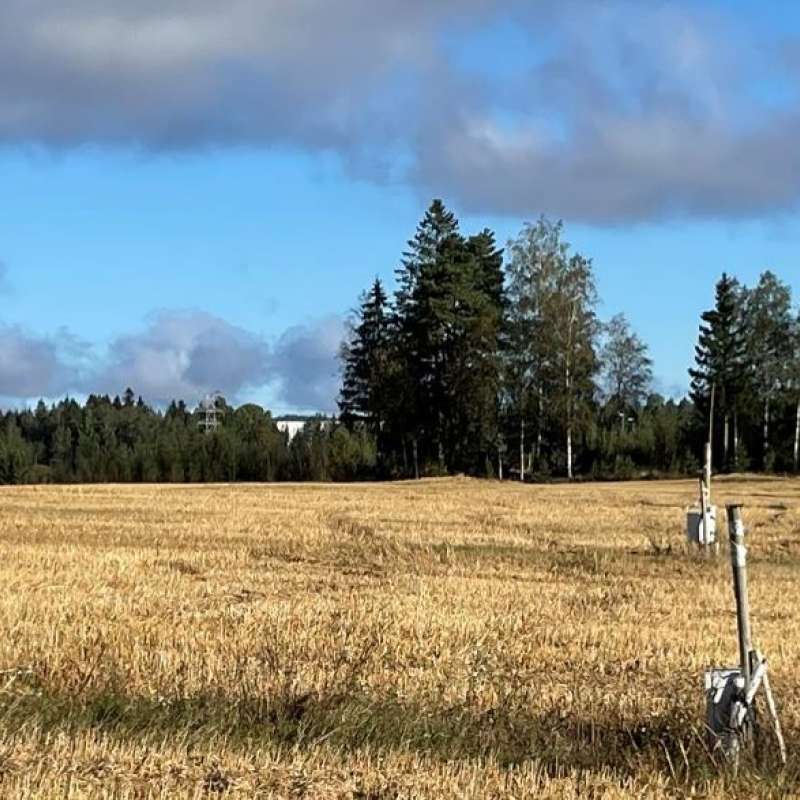
Precilience: Precision climate resilience for agriculture and forestry sectors in the European boreal regions
Precilience will develop precision solutions with farmers, foresters, landowners, and other actors to increase climate resilience in the Nordic-Baltic regions of Denmark, Estonia, Finland, Norway and Sweden.
Divisjon for skog og utmark
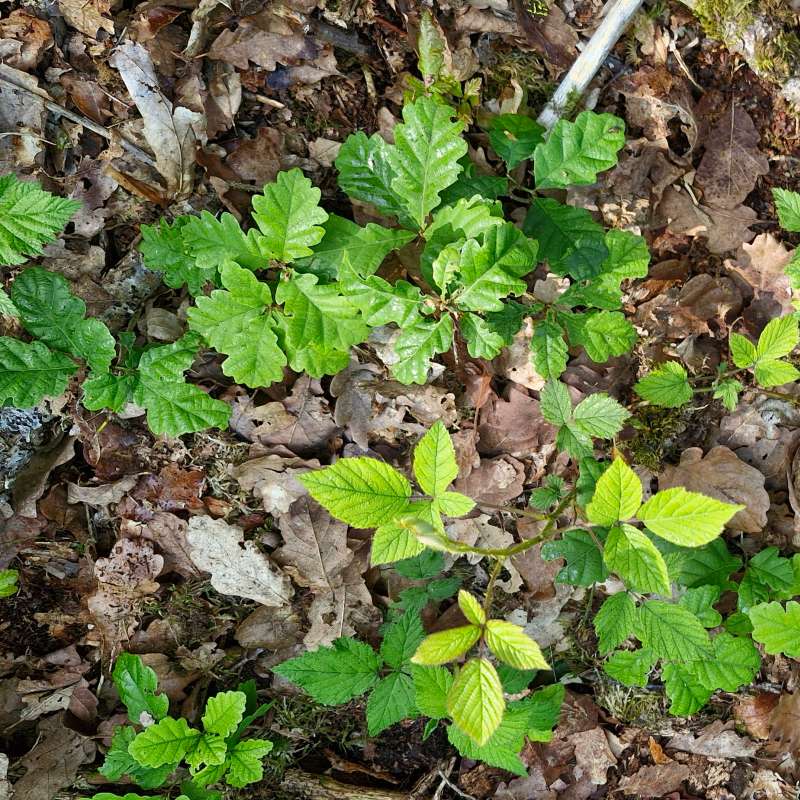
OakBreed: Motorveien til genetisk forbedret eikefrø
OakBreed-prosjektet har som mål å etablere langsiktig foredling av eik i Norge. Fokus er på to hjemmehørende arter: sommereik (
Divisjon for skog og utmark
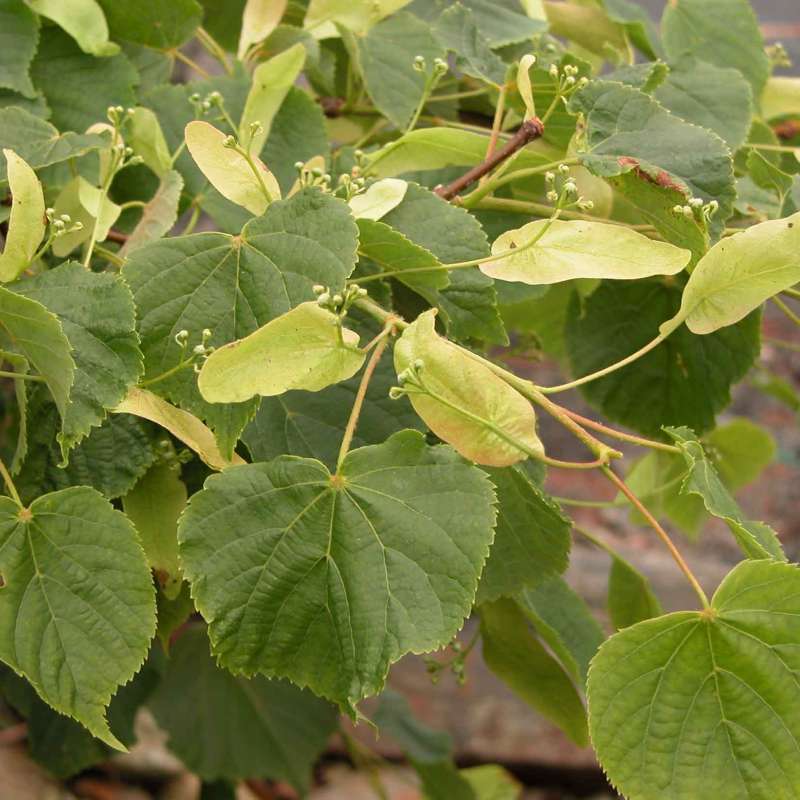
OptFORESTS - Harnessing forest genetic diversity for increasing options in the face of environmental and societal challenges
OptFORESTS har som overordnet mål å bidra til bevaring og bruk av skogtregenetiske ressurser i Europa og er en oppfølging av ambisjonen i EUs grønne giv (Green Deal) om å plante 3 milliarder trær i EU innen 2030. Skogplantingen vil øke karbonbindingen og tilføre samfunnet mer trevirke som en sentral del av grønn omstilling. OptFORESTS rolle er å utvikle både skogfaglig og sosiokulturell kunnskap for å kunne ta flere treslag i bruk i skogbruket, bidra til restaurering av skog og øke produksjonskapasiteten i skogplanteskolene i Europa. NIBIO er sammen med 18 andre institusjoner fra 15 land partner i dette prosjektet som går helt til 2027.