
Manon Bajard
Forsker
(+47) 969 01 606
manon.bajard@nibio.no
Sted
Ås - Bygg O43
Besøksadresse
Oluf Thesens vei 43, 1433 Ås (Varelevering: Elizabeth Stephansens vei 21)
Forfattere
Eirik Gottschalk Ballo William J. D’Andrea Helge Irgens Høeg Kjetil Loftsgarden Manon Bajard Sabine Eckhardt Massimo Cassiani Nikolaos Evangeliou Jostein Bakke Kirstin KrügerSammendrag
Previous Common Era (i.e., the past 2000 years) climate reconstructions from Fennoscandia have focused on northern and central areas, with scarce data from the southern areas. Using varved sediments from Lake Sagtjernet in southeastern Norway, we developed a hydrogen isotope record from sedimentary leaf waxes (n-alkanes) as a proxy for hydrogen isotopes in precipitation, which we interpret as an indicator of temperature variability over the past 2000 years. The climate reconstruction provides high, decadal resolution for the period 360–770 CE, allowing critical evaluation during the Dark Ages Cold Period (around 300–800 CE) and a cooling during the 6th century, previously suggested as the coldest period of the Common Era. Our results reveal that the most rapid drop in temperature occurred from 536 to 545 CE (+74/-90 years), corresponding in time to the 536 and 540 CE volcanic eruptions. We also document an inferred cold interval that persisted from around 650 to 710 CE (+72/-90 years). While past studies have suggested prolonged cooling during the Dark Ages Cold Period, our findings show that, on average, the climate during 360–770 CE was similar to the Common Era average in the Lake Sagtjernet record. To explore socio-environmental interactions throughout the past 2000 years, we present a pollen-based environmental reconstruction and integrate it with archaeological evidence from around Lake Sagtjernet. These analyses reveal significant societal activities such as land clearing, cereal cultivation, and large-scale iron production, which drastically altered the landscape in the Viking Age (around 800–1050 CE) and the first half of the Norwegian Middle Ages (around 1050–1350 CE). Modern cultivation practices following the Black Death (1349–1350 CE) were first established around 1470 CE and increased continuously until around 1940 CE. Intensification of societal activities through the past millennium, including iron production and modern cultivation, occurred during both warmer (Medieval Climate Anomaly; 950–1250 CE) and colder (Little Ice Age; 1450–1850 CE) periods.
Sammendrag
Det er ikke registrert sammendrag
Sammendrag
Innsjøsedimenter kan sammenlignes med sidene i en historiebok, som kontinuerlig legger seg oppå hverandre og registrerer historien, dag etter dag, år etter år, i tusenvis av år. Alt som skjer i eller rundt innsjøen etterlater et spor på bunnen av innsjøen. Dette foredraget, basert på et nylig ferdigstilt forskningsprosjekt ved UiO, går gjennom bruken av norske innsjøsedimenter (Sagtjernet i Elverum og Ljøgottjern på Jessheim) til studere dynamikken mellom klima-, miljø- og samfunn i Sørøst-Norge gjennom de siste 2000 årene, med et spesielt fokus på perioden 300–800 e.Kr. I foredraget går vi gjennom resultatene fra Ljøgottjern og Sagtjernet. For å utforske historisk interaksjon mellom mennesker og miljø presenterer vi en miljørekonstruksjon basert på pollenavsetninger og integrerer dette med arkeologiske bevis fra området rundt innsjøene. Fra Ljøgottjern ser vi at temperaturvariasjon mellom 200 og 1300 e.Kr. indikerer en betydelig kaldere periode fra 300 til 800 e.Kr. sammenlignet med før (200–300 e.Kr.) og etter (800–1300 e.Kr.). Temperatursvingningene i denne kalde perioden påvirket jordbruksstrategiene rundt Ljøgottjern. Under varmere intervaller ble avlingsdyrking foretrukket, mens kaldere perioder førte til et skifte mot husdyrhold. Analysene fra Sagtjernet avslører betydelig aktivitet som rydning av land, kornproduksjon og storskala jernproduksjon, som dramatisk endret landskapet i vikingtiden (rundt 800–1050 e.Kr.) og første halvdel av den norske middelalderen (rundt 1050–1350 e.Kr.). Moderne dyrkningspraksis etter svartedauden (1349–1350 e.Kr.) ble første gang etablert rundt 1470 e.Kr. og økte kontinuerlig frem til rundt 1940 e.Kr. Vi ser videre en intensivering av menneskelig aktivitet gjennom det siste millennium, inkludert jernproduksjon og moderne dyrkning, som fant sted både i varmere og kaldere perioder.
Divisjon for miljø og naturressurser
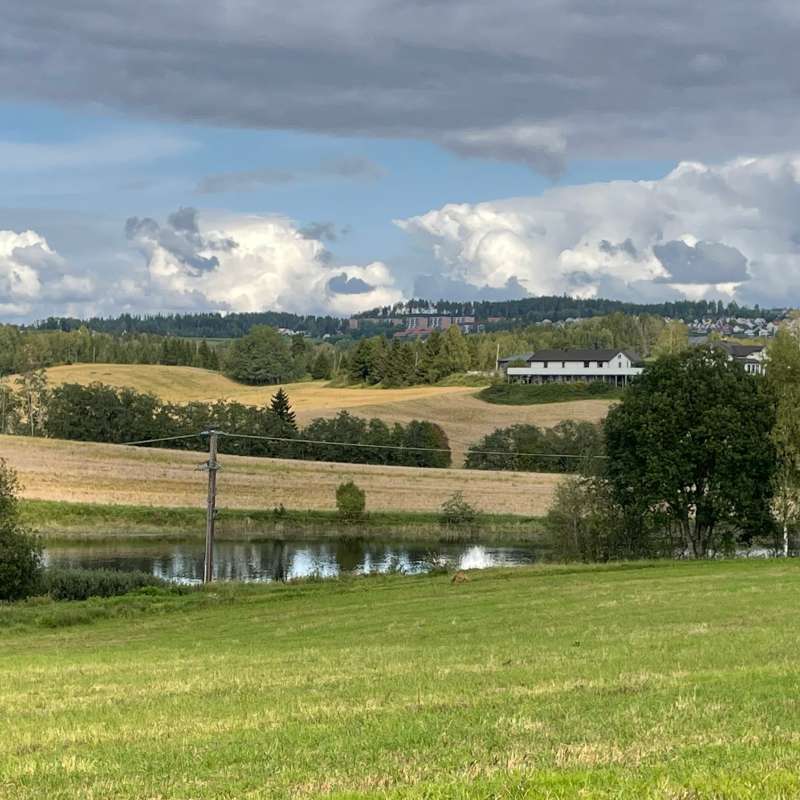
SOILPROM: Modelling pollutant transport across the soil-water-atmosphere continuum, and impacts on ecosystem services
Developing sustainable solutions for soil pollution. Empowering Global Change by Advancing Soil Health with Cutting-Edge Research and Collaborative Efforts.
Divisjon for miljø og naturressurser
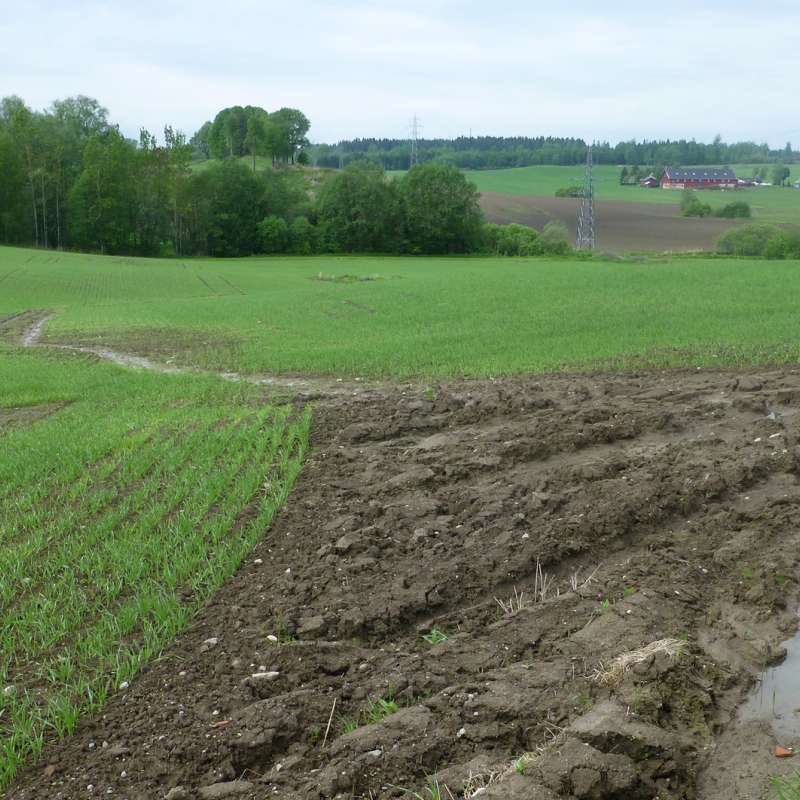
EUROSION
European Soil Erosion Monitoring and Modelling Network for Sustainable Agricultural Land Management
Divisjon for miljø og naturressurser
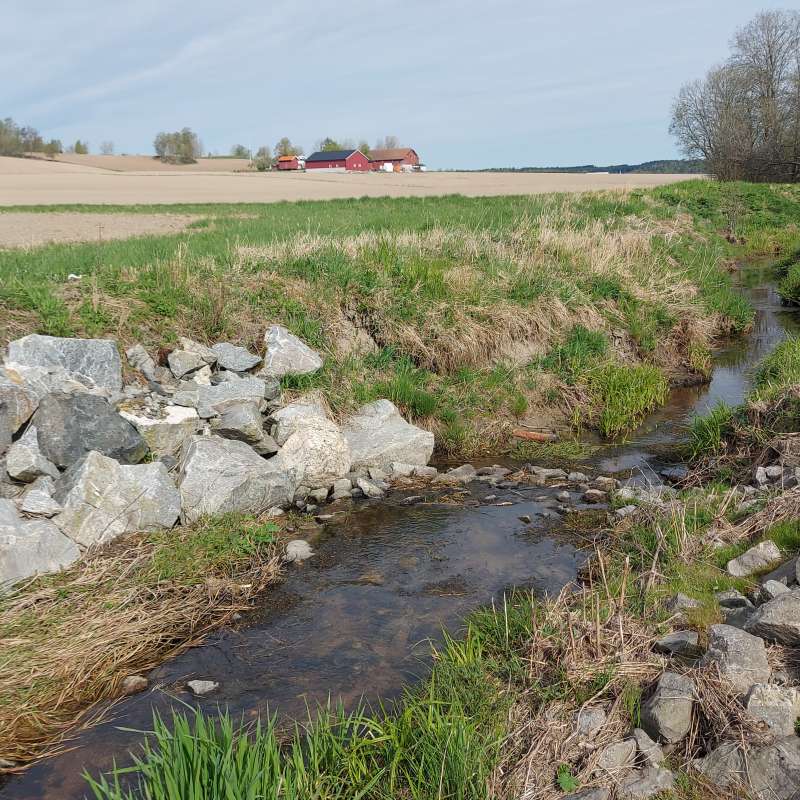
PATH4MED: Demonstrating innovative pathways addressing water and soil pollution in the Mediterranean Agro-Hydro-System.
Path4Med is a multi-participatory and multidisciplinary project that will pave clear pathways towards zero water and soil pollution in the agro-hydro-system of the Mediterranean sea basin and other European seas through an innovative triple bottom line approach achieving economic, social, and environmental sustainability to ensure human well-being and ecosystems functioning.