Division of Biotechnology and Plant Health
Pesticides in buffer zones and exposure of beneficial insects
End: oct 2026
Start: dec 2023
The project is aimed at the Action Plan for Sustainable Use of Pesticides and its goal of promoting sustainable use of pesticides and the call's scientific priorities to increase knowledge about the effect of pesticide use on habitats for beneficial insects and their activity.
Project participants
Henriette Engen Berg Sven R. Odenmarck Trude Magnussen Thomas Harris Signe Glømmen Helene Lunder Halvorsen Bjørn Arild Hatteland Sara Rodrigues de Miranda Lina AarsbogWork package description
Poster: Pesticides are all Around us - A Case Study from Orchards in Western Norway
.jpg)
| Status | Active |
| Start - end date | 31.12.2023 - 30.10.2026 |
| Project manager | Roger Holten |
| Division | Division of Biotechnology and Plant Health |
| Department | Pesticides and Natural Products Chemistry |
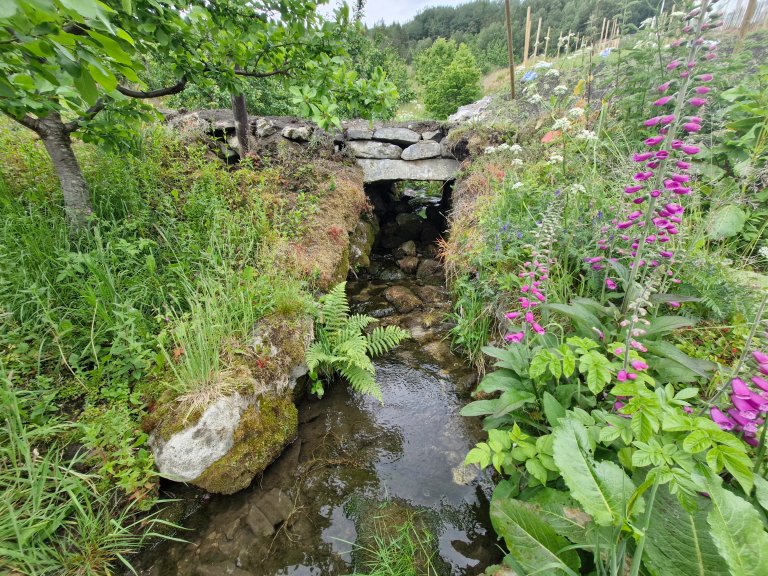
This also includes increasing knowledge about pesticide use and how this can affect edge vegetation and nearby habitats and biodiversity, as well as ecosystem services we receive from beneficial insects (pollination and biological plant protection).
The target group for the project is primarily pesticide users and farmers, as the knowledge from the project can help to increase awareness and knowledge about these issues among those who are directly affected by the reduction of these beneficial insect populations.
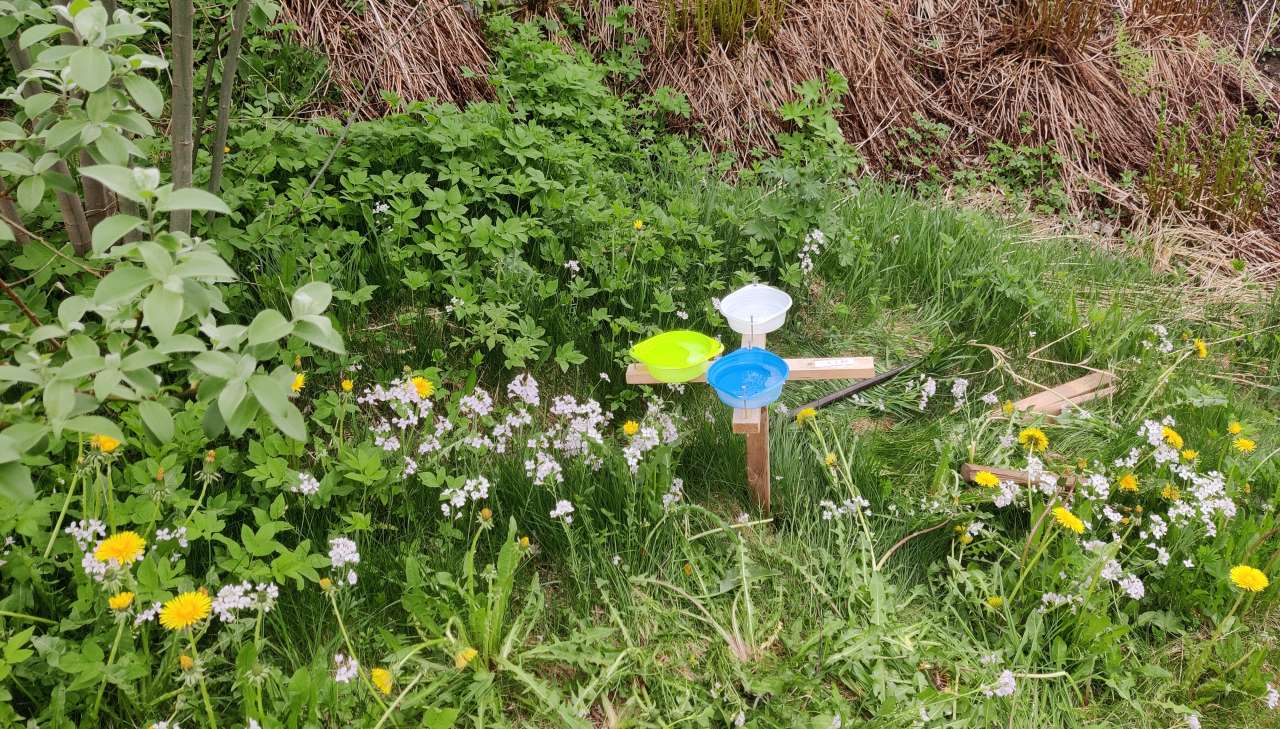
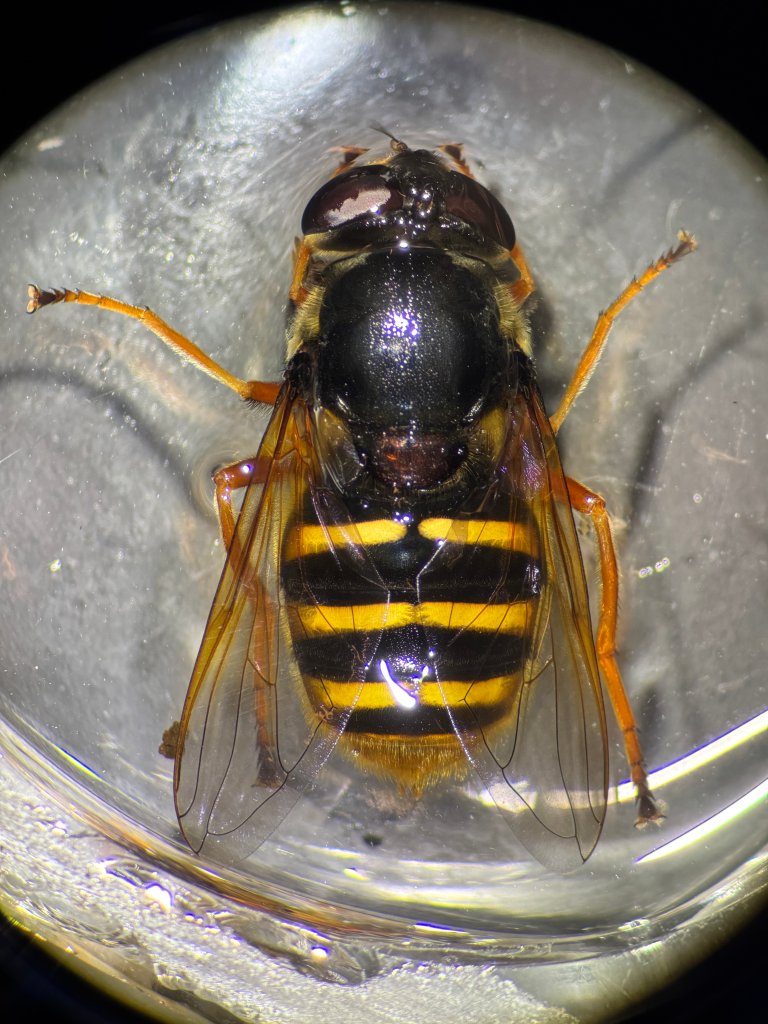
Furthermore, the project will obtain knowledge that agricultural authorities and administration can use in the development of measures to reduce the environmental footprint of agriculture. We want to take regular samples of air, vegetation and surface soil in edge zones in apple orchards through two growing seasons in three to four fruit fields in Western Norway. The air samples are intended to be taken with passive samplers to get a picture of the average exposure in air over a season. Furthermore, flower flies will be collected in the edge zones to both get an overview of common species groups and to analyse the flies for pesticides.
The expected result is new knowledge about the extent to which unsprayed areas outside the field are actually exposed to pesticides during a growing season, what concentrations are involved, and what effects this can have on the beneficial insect populations in these edge zones. The findings of the project can also form the basis for assessing the effectiveness of current measures against unwanted spread of pesticides into such areas.