Sami agriculture – an important carrier of culture
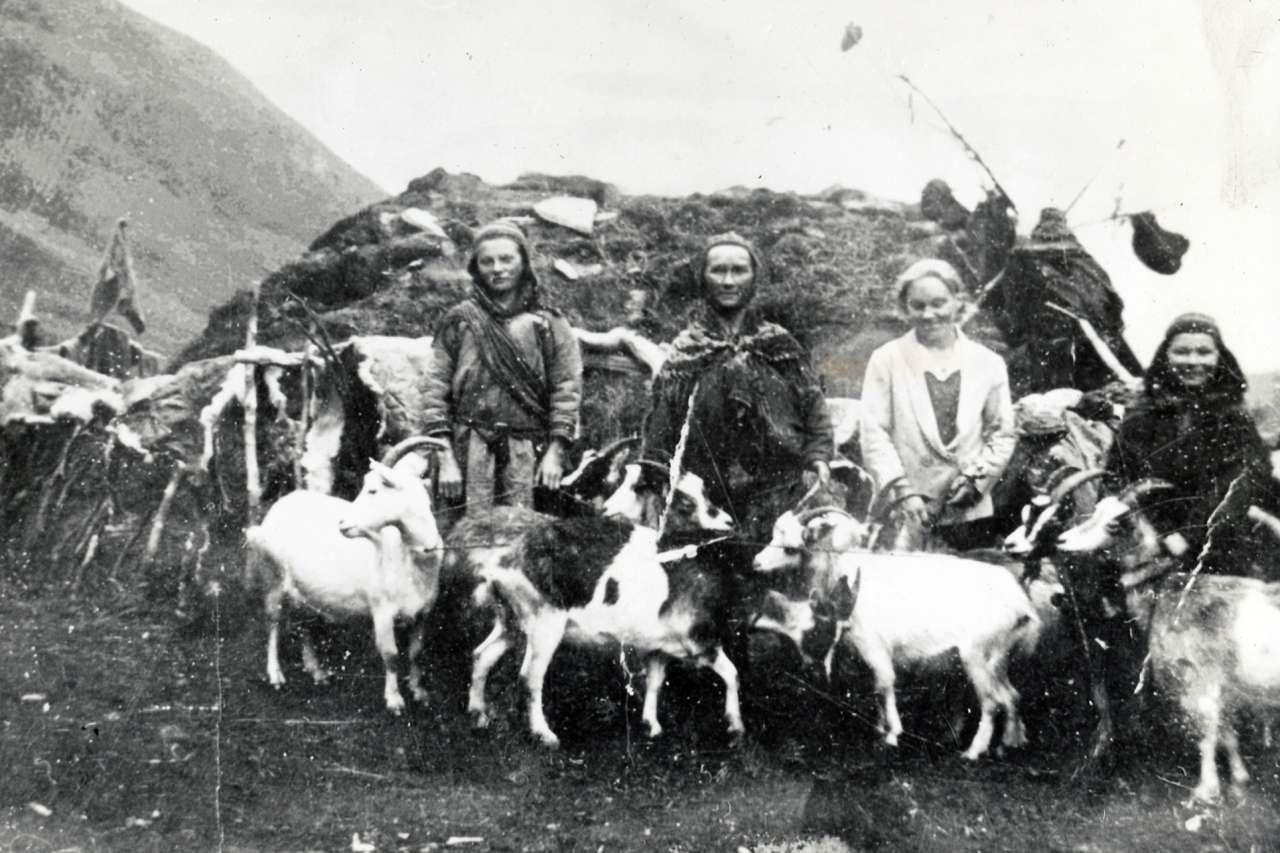
Historic photograph of a Sami summer settlement at Badjegieddi. Skardalen, Troms. Photo: Ole Skogmo / Oskar Puschmann
Sami culture is best known for reindeer herding. But did you know that agriculture has also been an important part of Sami culture since the 14th century? Since then, it has been both a livelihood and a carrier of culture, providing a basis for preserving Sami traditions, identity, and language.
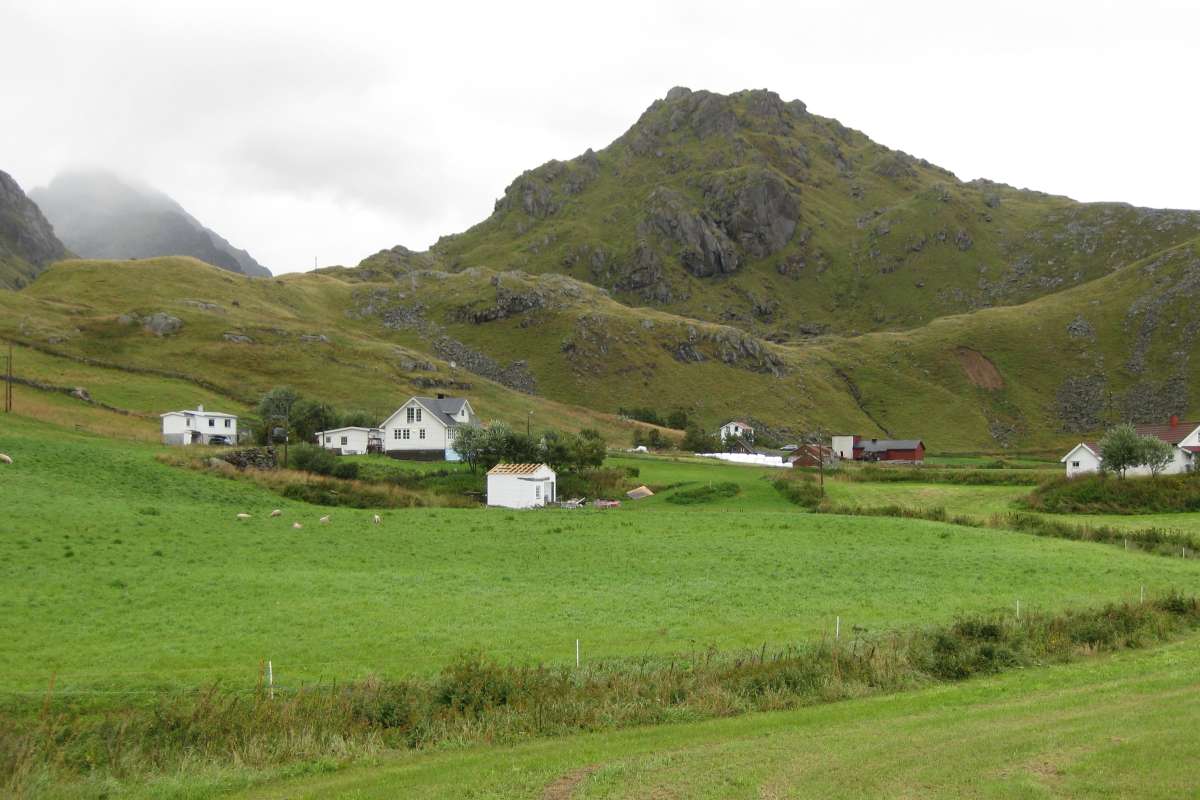
Sami agriculture has deep roots in coastal Sami areas, from Trøndelag county in the south to Finnmark county in the north. Here, livestock farming and crop cultivation have been part of Sami life since the 1300s.
"A combination of different forms of livelihood, such as fishing and gathering, has been characteristic of Sami agriculture. People adapted to the local natural conditions and the challenging climate," says NIBIO researcher Hilde Halland.
Today, however, few of these mixed farms remain.
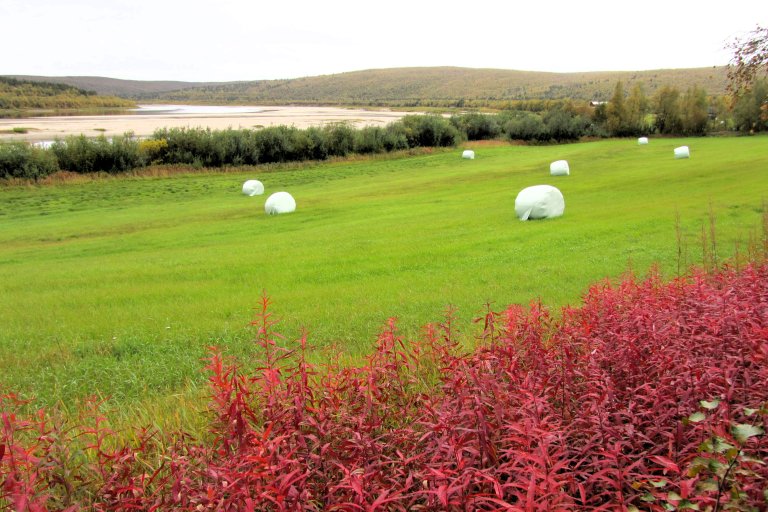
"From the 1950s, agricultural policies emphasizing mechanization, efficiency, and centralization made it difficult to maintain the small, traditional mixed farms," Halland explains.
Research on agriculture’s significance
There has been little research on the role agriculture has played in maintaining the Sami language, culture, and viable local communities. Now, NIBIO researchers Hilde Halland, Frøydis Gillund and Maiken Skjørestad Granberg, have reviewed existing studies on Sami perspectives on agriculture in Northern Norway.
"In addition, we conducted focus group interviews with researchers who have worked on the topic, as well as with farmers of Sami background," Halland says.
"The goal has been to understand how Sami culture is expressed in agriculture and what it might mean to include Sami perspectives in the research."
Expressed through language
To understand the significance of agriculture, one must look at the Sami terms used in farming. These words encompass more than just concrete descriptions. They tell about relationships, harvesting from nature, and the landscape. They carry both physical and spiritual meanings, which can make translation challenging.
"Take, for example, the term verddevuohta – a concept about a culture of sharing, cooperation, solidarity, kinship, and friendship, intended to strengthen community, help one another, and share resources. These values have been fundamental in Sami society, but they are under threat in modern agriculture, where farming can be a lonely occupation," says Frøydis Gillund.
Through Sami words and expressions that describe daily farming, traditional crafts, and interactions with nature, the Sami cultural heritage is passed down.
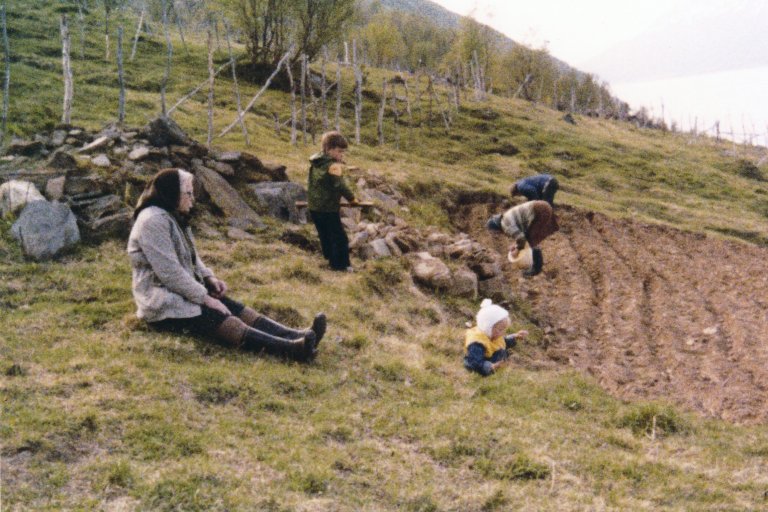
"Sami culture is expressed not only through language but also through traditional farming methods, exchange relationships, traditional cooking, and crafts. In addition, traditional harvesting, such as fishing, cloudberry picking, and other gathering, are important expressions of Sami cultural heritage," Gillund adds.
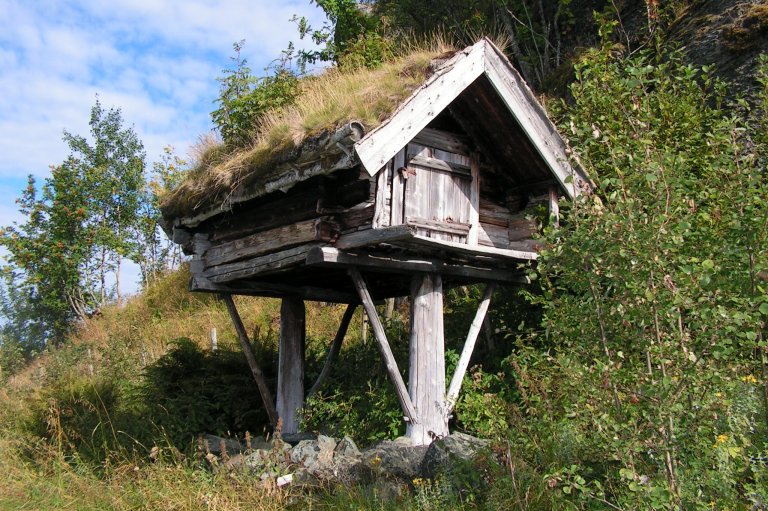
Why Sami agriculture matters
"The researchers we spoke with emphasized understanding Sami agriculture as part of a holistic way of life, where nature, culture, and community are interconnected," says Maiken Skjørestad Granberg.
Sami agriculture should not be understood in isolation. It emphasizes the local community the farmers belong to and the social connections they are part of.
"Sami agriculture must be seen as more than just a livelihood. It is a way of life and a carrier of culture that provides a foundation for preserving traditions, identity, and language, in addition to supporting settlement and development of local communities," the researcher concludes.
Contacts

Hilde Halland
Research Scientist
-
Division of Food Production and Society
(+47) 957 98 237 hilde.halland@nibio.no Office Location: Tromsø
Contacts
Hilde Halland
Research Scientist
-
Division of Food Production and Society
(+47) 957 98 237 hilde.halland@nibio.no Office Location: Tromsø
Publications
Abstract
Jordbruk lange tradisjoner tradisjon i samiske områder, og spiller en viktig rolle for å opprettholde samisk språk, kultur og levedyktige lokalsamfunn. Dette er det forsket lite på. Vi spør; hva kan det innebære å forske på nordnorsk jordbruk og lokalsamfunn fra et samisk ståsted?