Biochar: stable for centuries, but not forever
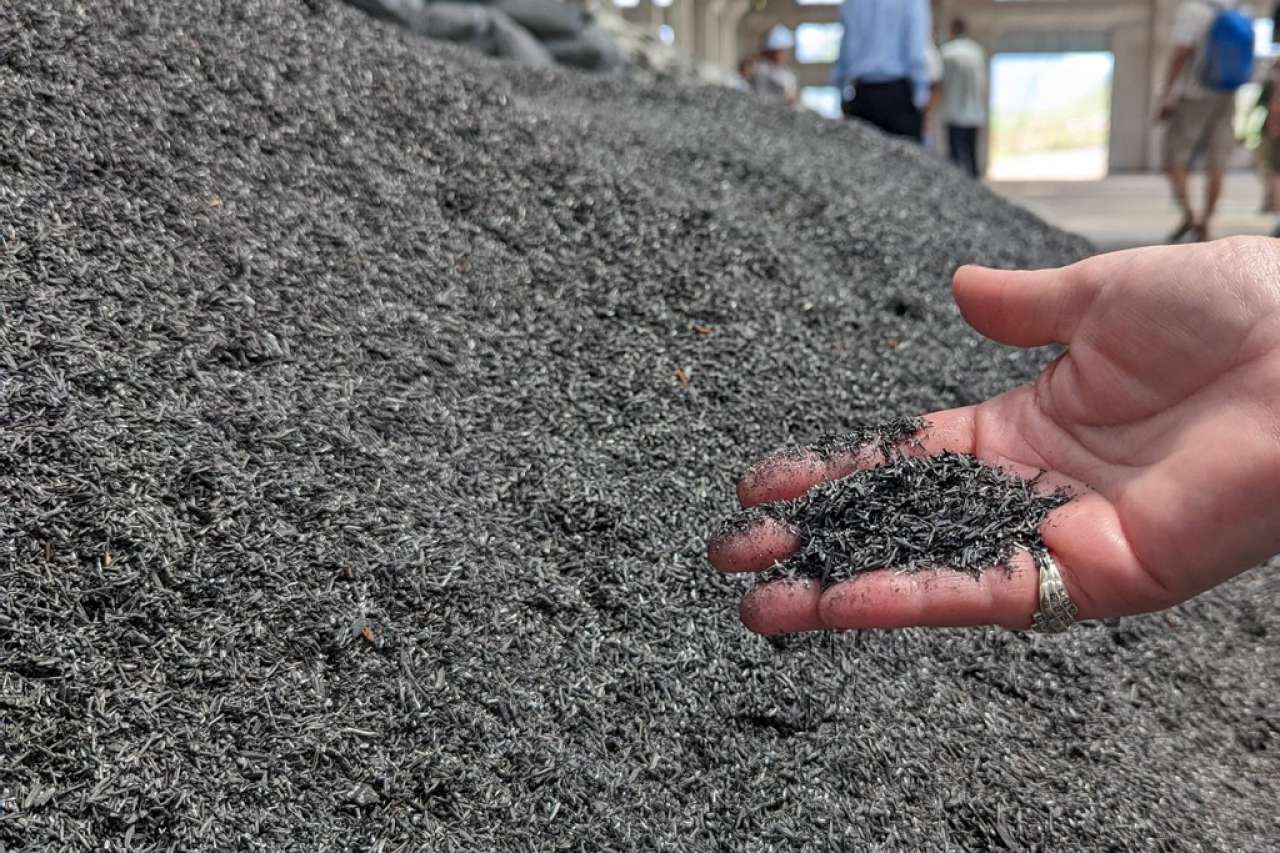
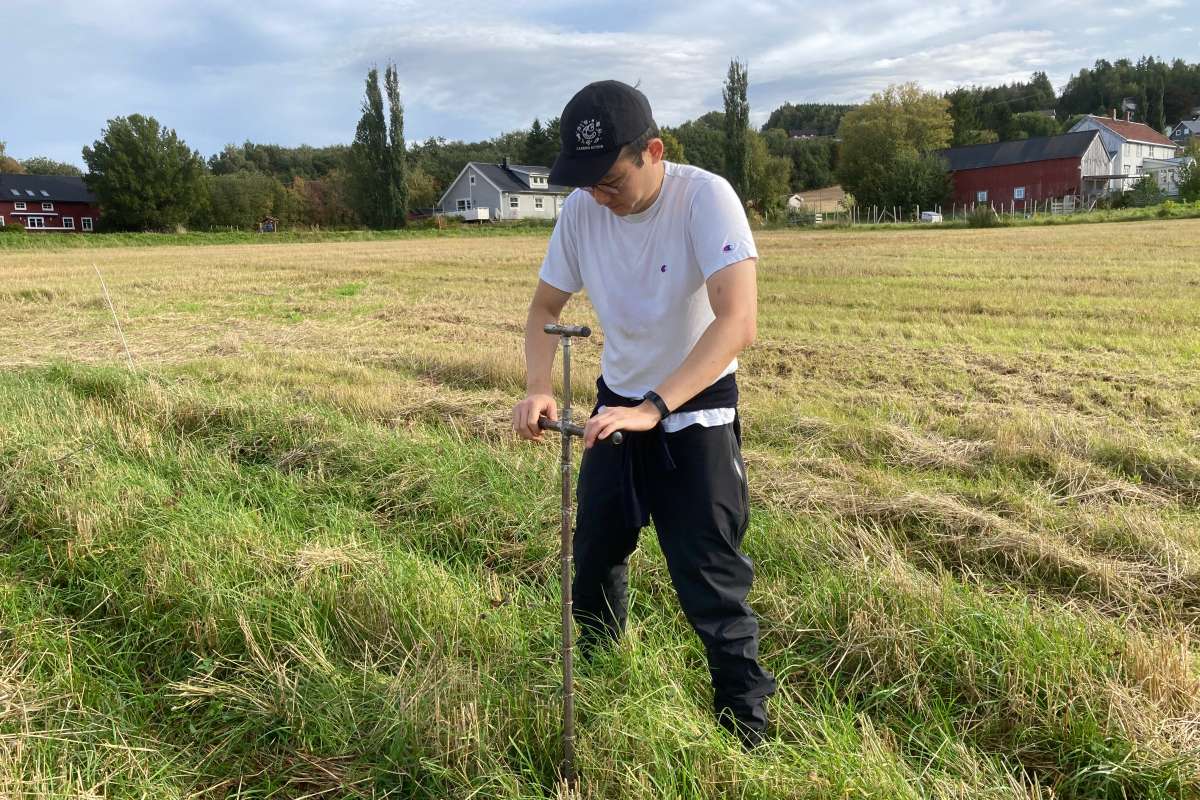
When applied to soil, biochar can lock away carbon for exceptionally long periods while also improving soil health and fertility. Photo: Silje Kvist Simonsen
Biochar locks carbon in soil for hundreds of years while boosting soil health and fertility, making it a key climate tool. But it’s not completely inert, researchers warn. Careful monitoring and continued research are vital to ensure biochar delivers lasting climate benefits.
Biochar is a carbon-rich material produced by heating biomass at high temperatures and low-oxygen conditions (pyrolysis). When applied to soil, it can lock away carbon for exceptionally long periods—on average more than 1,000 years—while also improving soil health and fertility. This makes biochar one of the most durable nature-based carbon dioxide removal (CDR) strategies available today.
A recent policy commentary published in GCB Bioenergy emphasizes that biochar’s persistence depends on both its intrinsic properties and environmental factors such as soil type, biological activity, and climate.
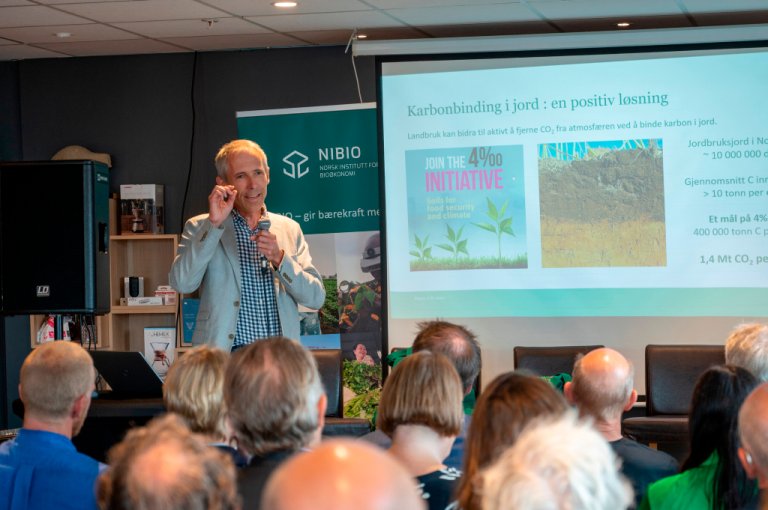
“While biochar is remarkably stable, it is not completely inert and small amounts of decomposition occur over time,” says co-author Dr Daniel Rasse from the Norwegian Institute of Bioeconomy Research (NIBIO).
“Interactions with soil minerals and organic matter, however, can help slow this process and enhance biochar’s long-term stability in soils.”
No carbon material is completely inert
Understanding the mechanisms that control biochar’s permanence in soil is crucial for climate policy and carbon accounting. As countries and companies invest in carbon removal strategies, reliable estimates of permanence are key to certifying climate benefits.
“Biochar offers a unique combination of climate mitigation and soil improvement. Its stability over centuries makes it a trustworthy tool in the fight against climate change, but we also need to communicate clearly that no carbon material is completely inert,” says Dr Rasse, adding that transparency and robust science are essential for policy and market confidence.
Dr Rasse cautions against equating biochar with fossil coals, which have been protected for millions of years under extreme conditions.
“Modern biochar is different, and while highly stable, it still undergoes slow aging processes,” says Dr Rasse.
Key recommendations for policymakers and researchers
In the commentary’s conclusion, the researchers call for caution and clarity when defining biochar permanence:
- Think in centuries, not eternity: given the current state of knowledge, biochar should be considered persistent over hundreds of years—not thousands or millions. Climate-relevant durability does not require permanence forever, but it does require credible, measurable persistence.
- Track what we apply: Proper registration of biochar applications and their key properties is essential. This ensures that climate benefits can be recalculated later as models for long-term degradation become more precise.
- Invest in research and field trials: To improve confidence in permanence factors, more fundamental carbon research and long-term experiments are needed. These should explore how biochar behaves under different conditions—such as soil types, climates, and biochar production methods.
“Biochar is not a silver bullet, but it is a powerful tool when used wisely. By combining careful monitoring with continued research, we can make sure biochar delivers on its promise for both climate and agriculture,” Dr Daniel Rasse concludes.
Contacts

Daniel Rasse
Head of Department/Head of Research
-
Division of Environment and Natural Resources
(+47) 922 63 608 daniel.rasse@nibio.no Office Location: Ås H7
Contacts
Daniel Rasse
Head of Department/Head of Research
-
Division of Environment and Natural Resources
(+47) 922 63 608 daniel.rasse@nibio.no Office Location: Ås H7