Get to know the pollinators
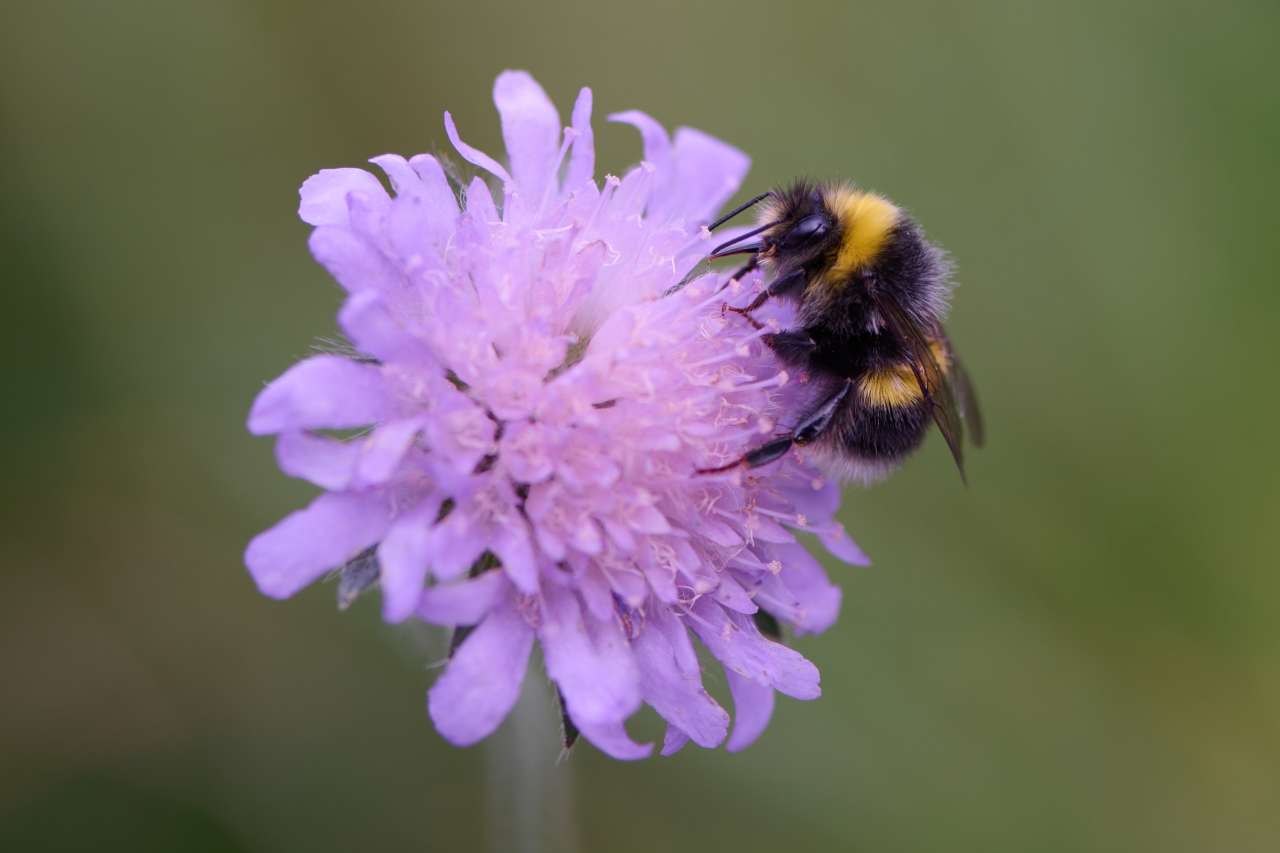
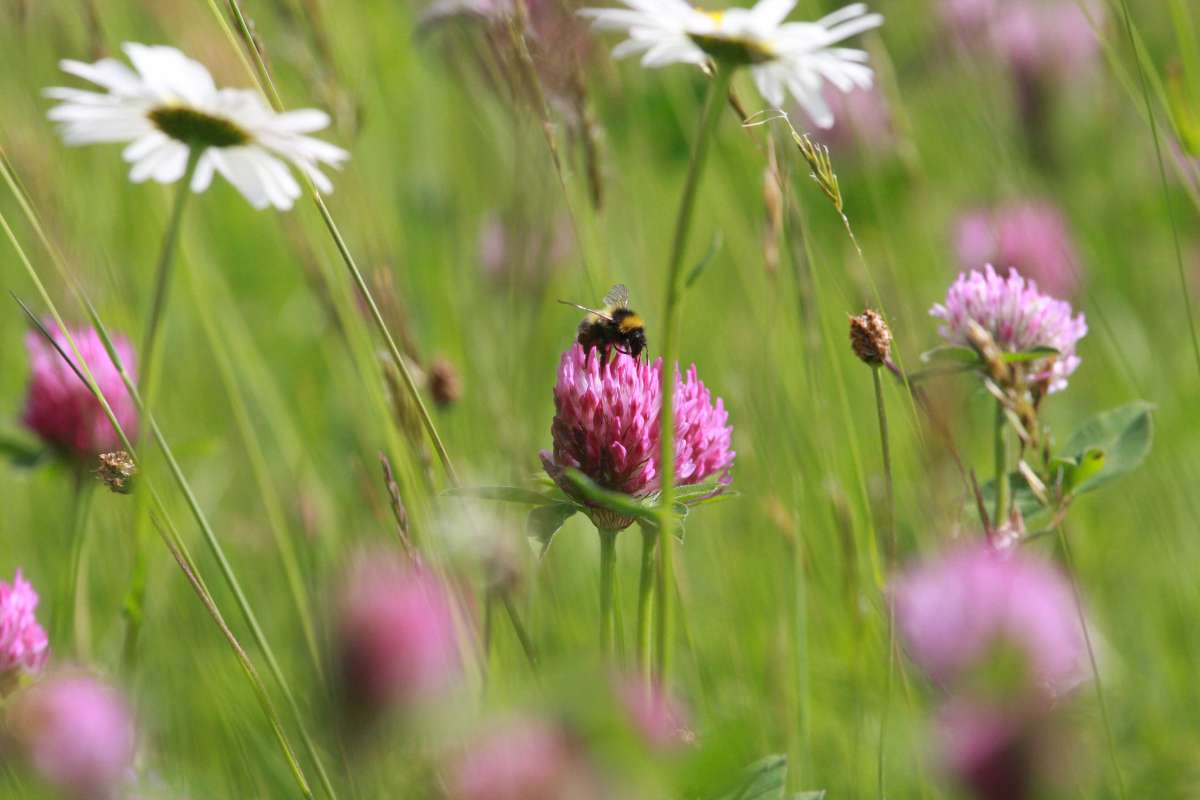
Norwegian bee species make up less than one percent of the total diversity of bee species in the world. This is largely because Norway is located far to the north and has a cooler climate than many species prefer. Photo: Steffen Adler
One in three bee species in Norway is on the Norwegian Red List for Species. Last week, NIBIO launched a new booklet that aims to improve knowledge about our pollinators and how we can help them survive.
The 211 bee species found in Norway are essential for much of our fruit and berry production. At the same time, nearly one third of these species are on the Red List, and 18 percent are considered threatened.
Many pollinators are still unknown
Globally, around 350,000 animal species are known to help with pollination. Insects are the most important group because they are both very numerous and very diverse in the plants they pollinate.
“Insects belong to a huge group with more than one million known species. In Norway, about 17,000 insect species have been recorded, but the real diversity is probably much higher. It is estimated that up to 90 percent of the world’s insect species are still not described,” says NIBIO researcher Jørund Johansen.
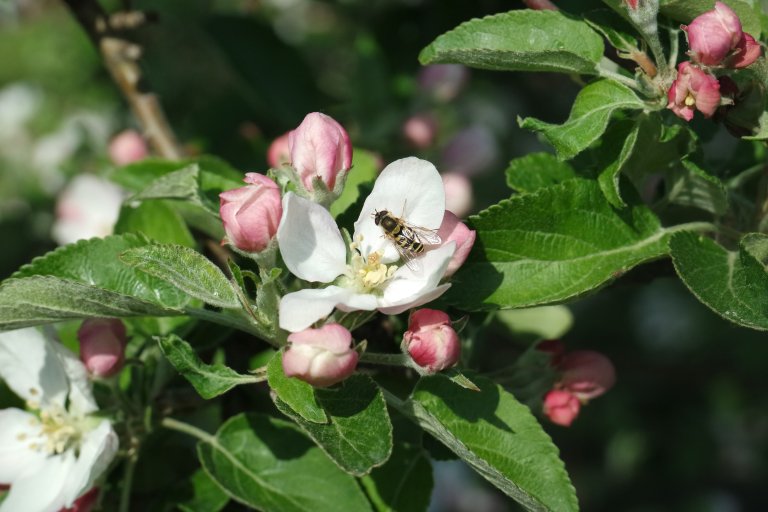
Hoverflies, butterflies and beetles are among the pollinators that every day contribute to maintaining green areas and ecosystems. Hoverflies also do an extra job for the farmers, as their larvae feed on aphids, which are important pests.
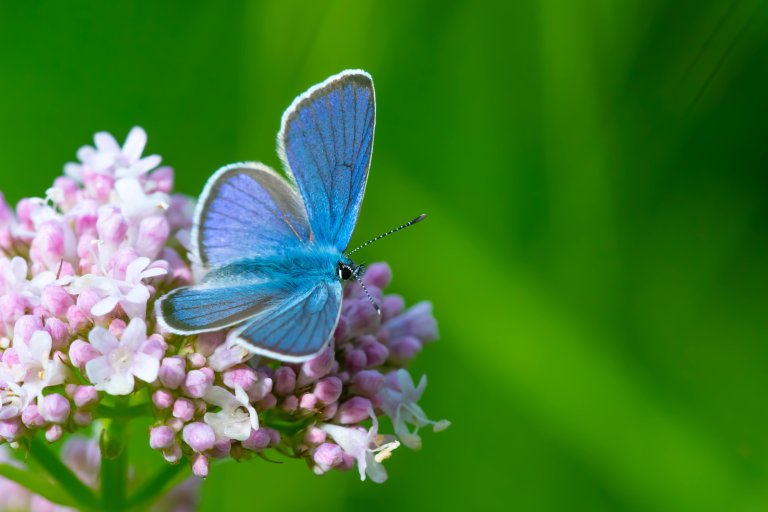
Among butterflies, it appears that night-active moths are far more important pollinators than previously thought.
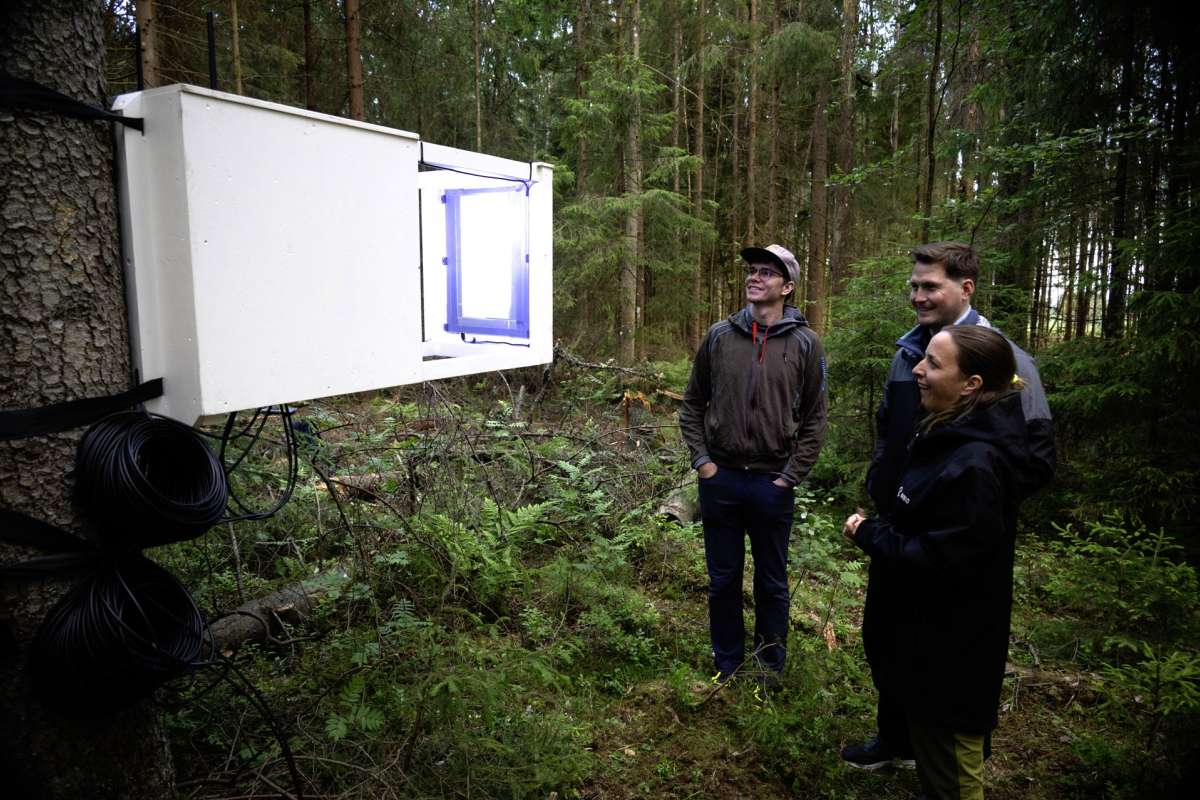
“New studies using camera traps at night have shown that moths can account for a large share of flower visits, for example on red clover. Many of them are large and hairy and can carry a lot of pollen during a single visit.”
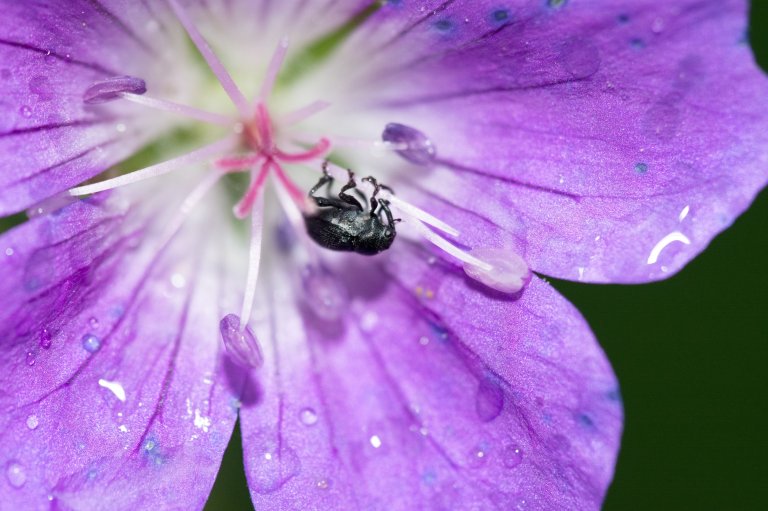
Johansen also points to beetles as a group of pollinators that is often overlooked.
“Beetles may not be the best known pollinators, but they are probably the oldest. They likely pollinated early seed plants between 100 and 140 million years ago.”
The diversity of bees
There are about 25,000 bee species worldwide. Some live in large societies, while others are solitary and live completely or partly alone. Some also act as parasites on other bees, much in the same way that the cuckoo does among birds.
Some bees resemble hoverflies, while others look more like ants. What they all have in common is that they depend on pollen and nectar to survive and reproduce.
“Norwegian bee species make up less than one percent of the world’s bee diversity. This is largely because we live far north and have a cooler climate than many species prefer. Bumblebees, however, seem to thrive in colder conditions,” says Johansen.
Thirty-five of the bee species in Norway are bumblebees. This is around 13 percent of the world’s bumblebee species.
Most bees visit many different flower species and are therefore called generalists. Others are specialists and depend on one or a few plant species.
The Clark's miner bee (Andrena clarkella) mainly visits willow species that bloom early in spring. The aconite bumblebee (Bombus consobrinus) almost only visits monkshood in midsummer, while the bellflower blunthorn bee (Melitta haemorrhoidalis) depends on bellflowers in late summer and autumn.
Where bees live
Bees are found in most places that are warm and rich in flowers, such as traditional meadows, pastures, orchards and heathlands. At the same time, different species have different habitat requirements.
The golden-belted bumble bee (Bombus balteatus) and the bilberry bumblebee (Bombus monticola) prefer mountainous areas, while the large carder bee (Bombus muscorum) and the cliff mining bee (Andrena thoracica) are found along the coast.
“Most bees in Norway are solitary and build nests in the ground, often in sunny slopes with bare soil. Many bumblebees move into abandoned nests made by rodents and are attracted to the smell in spring,” says Johansen.
Other bees build nests in trees or wood, often in tunnels previously made by beetles. These are the kinds of structures people try to imitate when they build insect hotels.
Why are bees threatened?
In Norway, many pollinators are under threat, especially bees. The main reasons are building, farming, and overgrowing landscapes, which lead to loss of habitat.
“Measures taken by each of us may seem small in the big picture, but if many people contribute locally, it will undoubtedly help local populations,” says Johansen.
He recommends letting lawns grow and waiting to mow until flowers and clover have finished blooming. Regional seed mixes with flower species adapted to local pollinators can also help. Old and hollow trees should be preserved, especially old oak trees, which are important habitats for many insects, including pollinators.
For those without a large garden or old trees, insect hotels and bumblebee boxes can be good alternatives in urban areas.
A booklet to help identify species
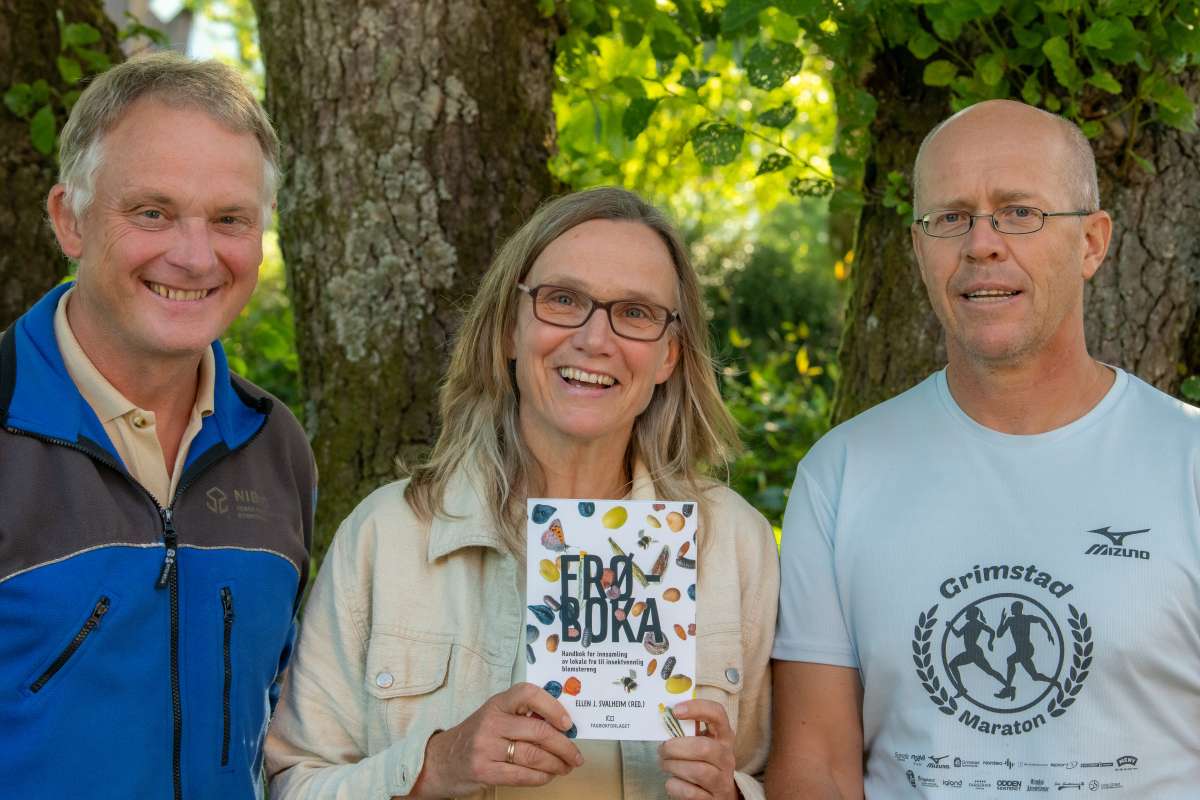
The aim of the new booklet from NIBIO, is to provide more knowledge about how plants are pollinated and about the different pollinating insects found in Norway.
“We focus especially on bees and include a simple identification guide to help readers recognise which pollinating insect they have found,” explains NIBIO researcher Silje Maria Midthjell Høydal.
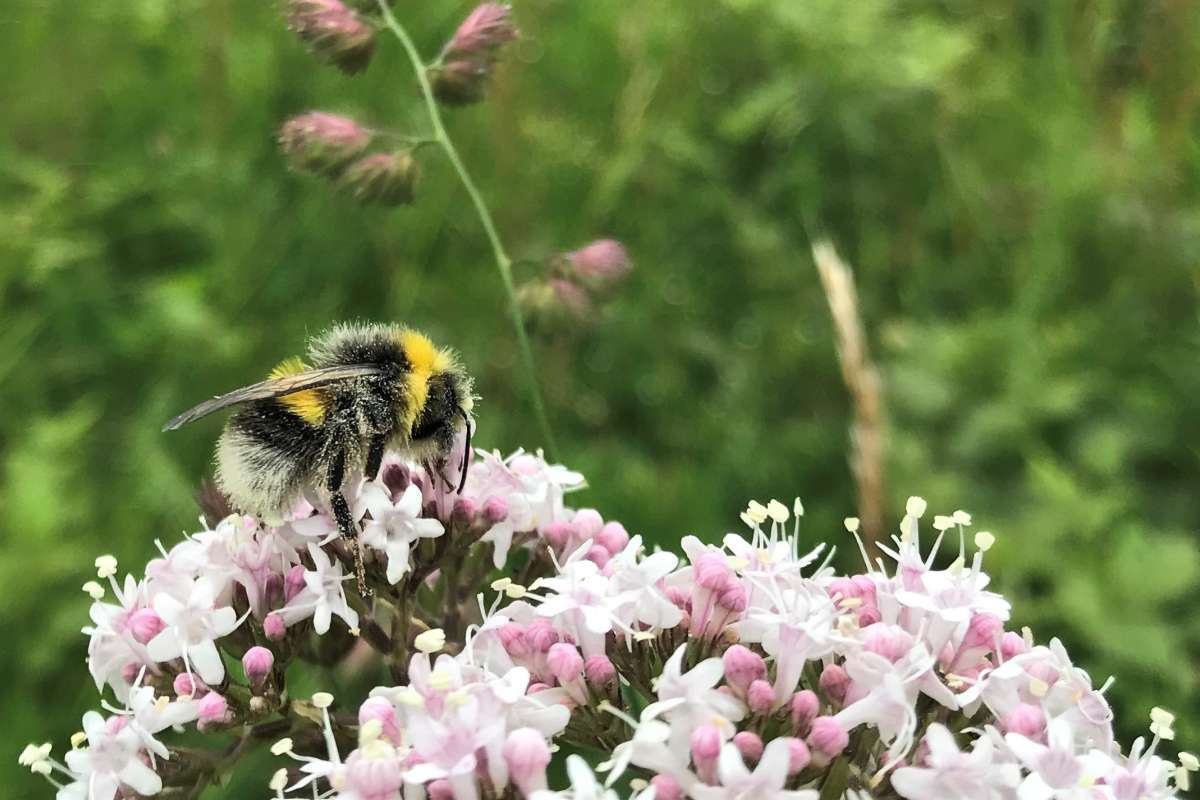
Many insect species are difficult to identify without a magnifying glass or microscope. Bumblebees are an exception, as many species can be recognised by the colours and patterns of their thick fur.
The booklet therefore also includes an overview of colour patterns in several of our bumblebee species.
“Other wild bees are more difficult to identify without magnification, but an overview has been created to help readers distinguish them based on where they build their nests,” Høydal continues.
“Some features of the smaller bees can be hard to see without catching them in a jar. Fortunately, solitary bees are not very aggressive and can be safely released afterwards.”
Contacts

Jørund Johansen
Research Scientist
-
Division of Food Production and Society
(+47) 994 93 343 jorund.johansen@nibio.no Office Location: Bergen

Silje Maria Midthjell Høydal
Research Scientist
-
Division of Food Production and Society
(+47) 452 96 663 silje.hoydal@nibio.no Office Location: Fureneset
Contacts
Jørund Johansen
Research Scientist
-
Division of Food Production and Society
(+47) 994 93 343 jorund.johansen@nibio.no Office Location: Bergen
Silje Maria Midthjell Høydal
Research Scientist
-
Division of Food Production and Society
(+47) 452 96 663 silje.hoydal@nibio.no Office Location: Fureneset
Publications
Abstract
Heftet du har for hand er ei oppfølging av Pollinatorstrategien, og her tek vi for oss pollinatorane i Norge, med eit spesielt fokus på biene. Her kan du mellom anna lese om korleis dei lever, kvifor dei er truga, kvar dei bygger reir og korleis du kan hjelpe dei. Vi har også laga ein forenkla identifiseringsnøkkel, med mål om å hjelpe å skilje biene frå andre pollinatorar, og å skilje dei ulike biegruppene etter kvar dei bygger reir.