NIBIO contributes to new European network for monitoring soil erosion
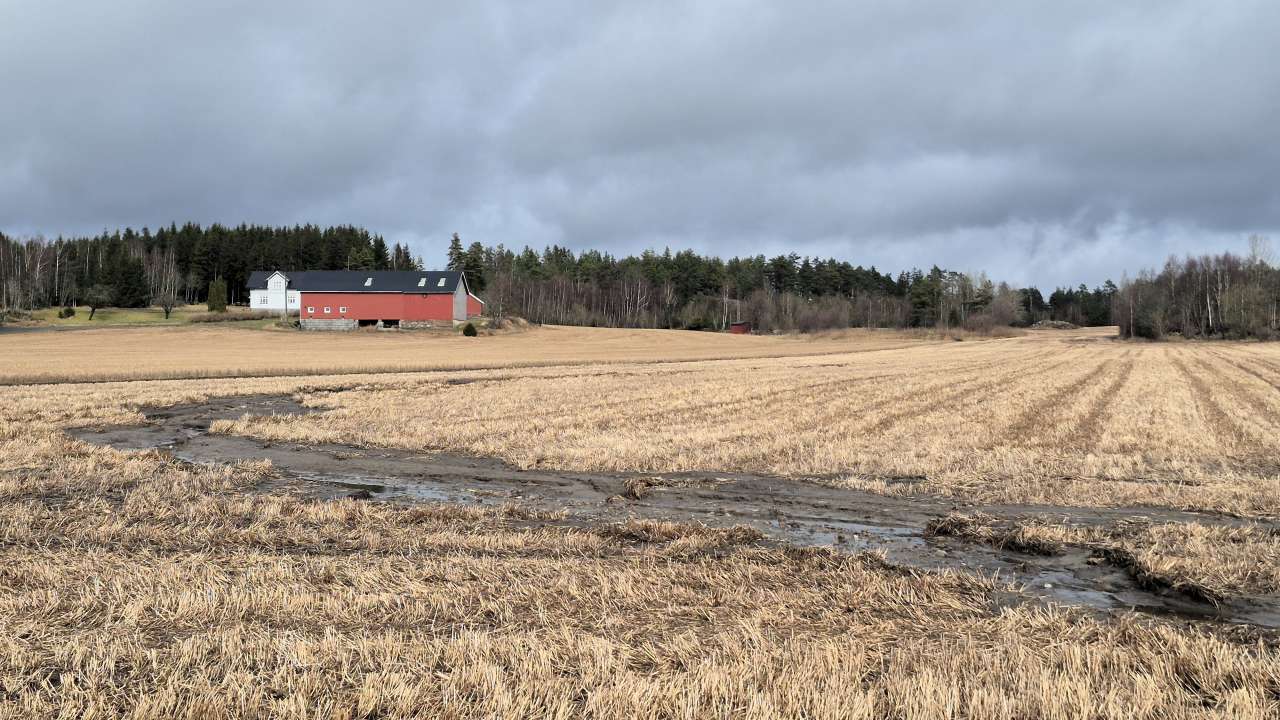
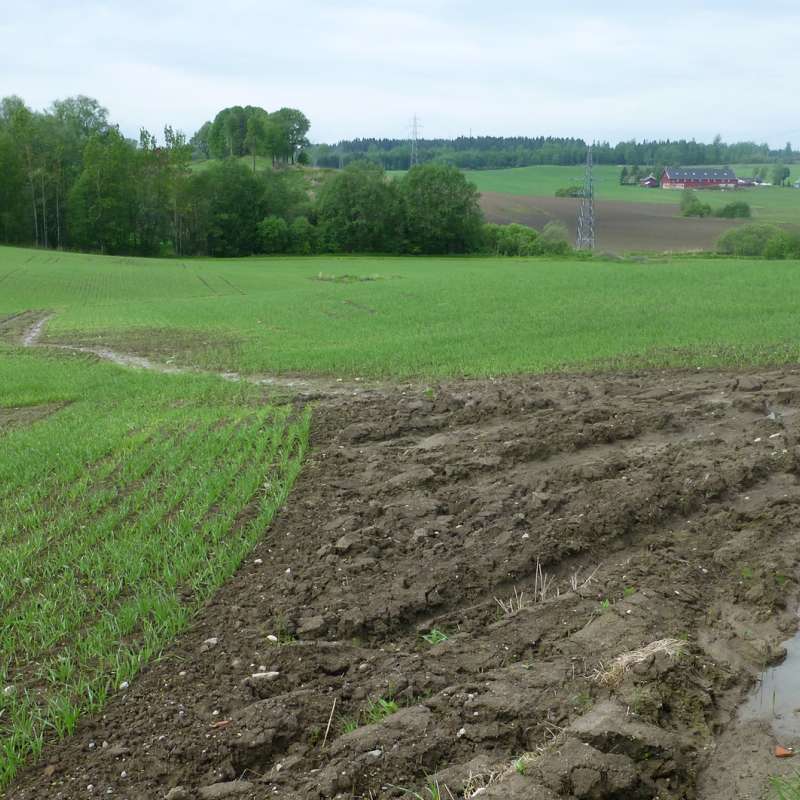
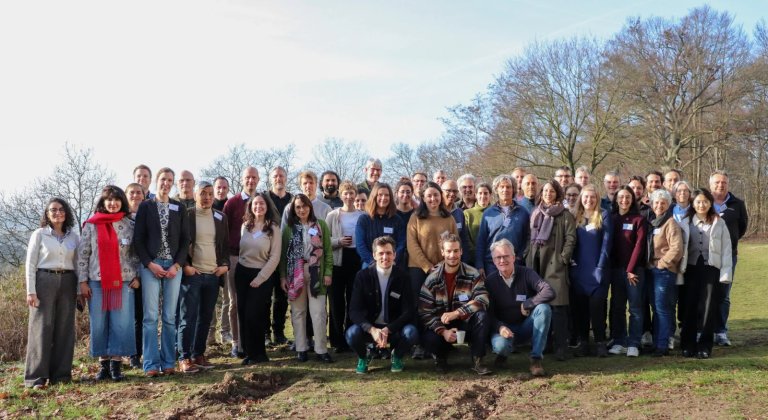
The EU-funded project EUROSION aims to develop a common European system for monitoring and modelling soil erosion. Photo: Morten Günther
The EU-funded project EUROSION aims to establish a shared system for monitoring and modelling soil erosion across Europe. The goal is to improve knowledge of the extent, development and drivers of soil erosion, thereby providing a stronger basis for more targeted mitigation measures in agriculture.
Soil erosion is considered one of the most serious threats to soil resources in Europe. When topsoil is washed or blown away, soil fertility and its capacity to produce food are reduced. Erosion can also increase the transport of soil particles and nutrients into rivers and streams, negatively affecting aquatic environments and ecosystems.
Climate change is expected to exacerbate the problem. More intense rainfall increases the risk of water erosion, while longer dry periods can lead to increased wind erosion. That being said, erosion risk varies greatly depending on soil type, topography and agricultural practices. This makes it challenging to obtain a comprehensive and up-to-date overview of the situation, both nationally and at the European level.
Towards more comprehensive and up-to-date knowledge
This is the challenge that EUROSION seeks to address. Funded under the Horizon Europe framework programme, the project will develop a common European system for monitoring and modelling soil erosion. The ambition is to compile and harmonise existing data, methods and models, enabling better tracking of soil erosion trends over time and across national borders.
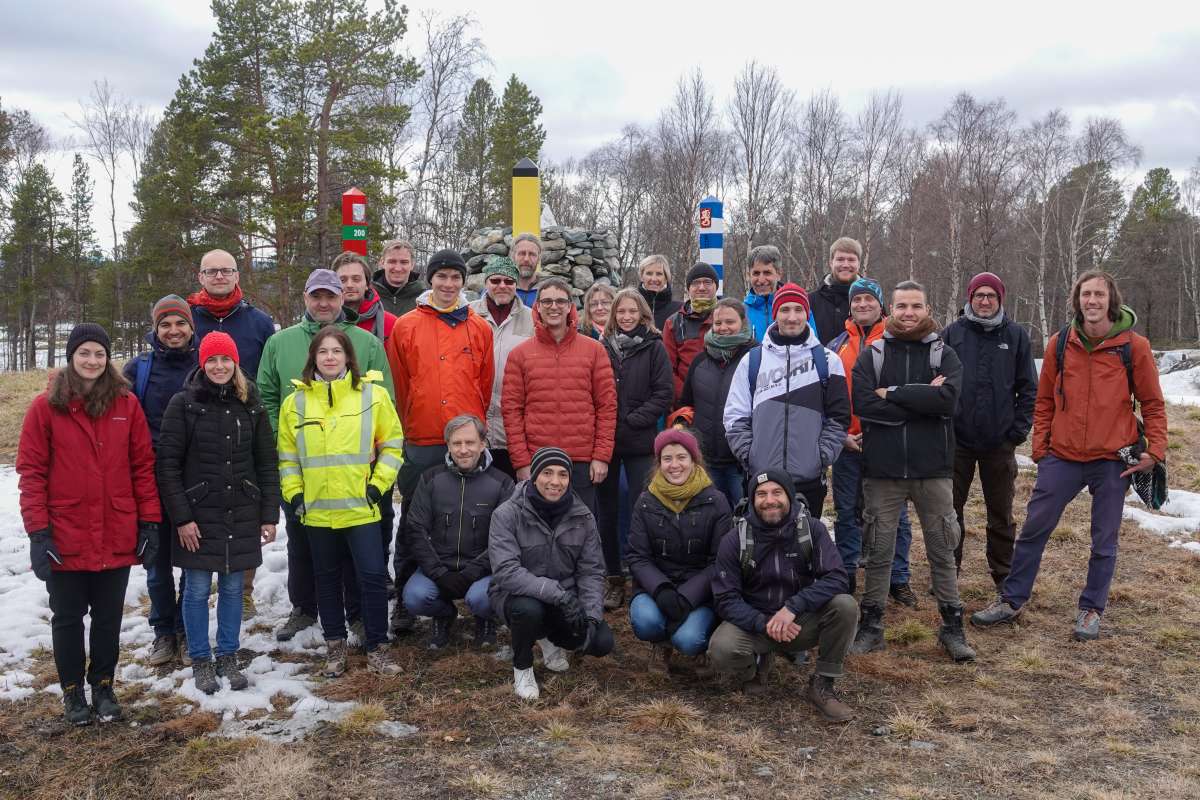
EUROSION brings together research groups and institutions from 13 European countries and started in autumn 2025. The project is scheduled to run for five years.
From existing data to shared European solutions
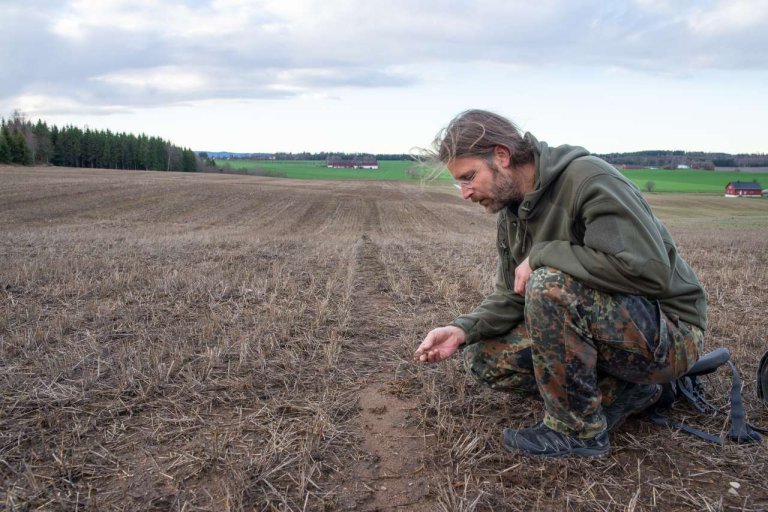
NIBIO is involved in the project’s first work package, which lays the scientific and methodological foundation for a future dynamic soil erosion monitoring system in Europe.
“At this stage, the focus is on identifying what data and methods already exist, and how these can be used and further developed within a shared European framework,” says senior researcher Dr. Jannes Stolte, who leads the work package.
“If we are to succeed in improving soil erosion monitoring, we need to build on existing knowledge and experience.”
Long-term monitoring provides valuable insight
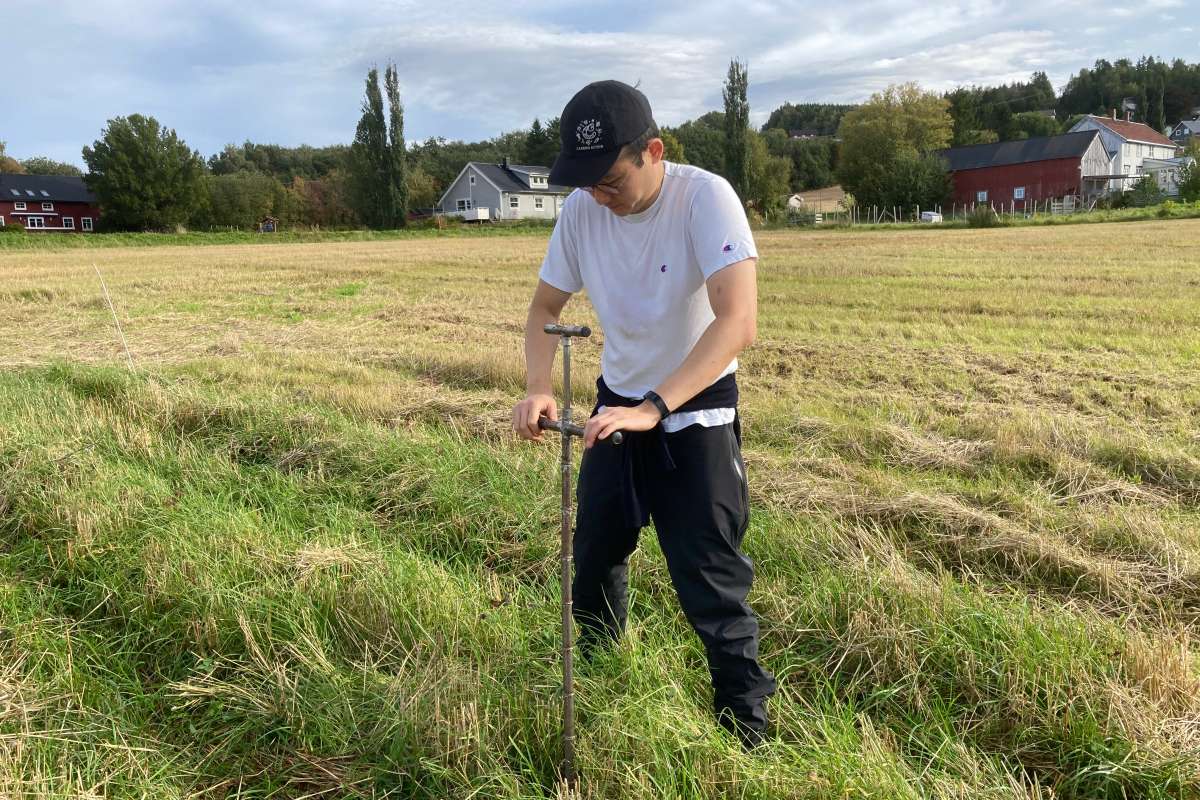
NIBIO has extensive experience in monitoring and modelling soil erosion in Norway. The institute is responsible for national programmes such as JOVA (Agricultural Soil and Water Monitoring) and JordVAAK, which provide long-term knowledge about soil conditions and trends, including erosion.
In addition, NIBIO has developed erosion risk maps and models that are used by public authorities and the agricultural sector when planning erosion mitigation measures.
“Norway’s experience with long-term datasets and the combination of field measurements and modelling is also highly relevant in a European context. At the same time, EUROSION will also generate new knowledge that can strengthen work on soil protection, soil health and climate adaptation in Norway,” says Dr. Stolte.
“The overall aim of the project is to strengthen the knowledge base for both agricultural management and policy development in Europe. By providing more precise and up-to-date information on soil erosion, we aim to contribute to more targeted measures to reduce soil loss and protect soil resources in the long term.”
Contacts
Jannes Stolte
Senior Research Scientist
-
Division of Environment and Natural Resources
(+47) 974 04 696 jannes.stolte@nibio.no Office Location: Ås O43
EUROSION
European Soil Erosion Monitoring and Modelling Network for Sustainable Agricultural Land Management (EUROSION) is coordinated by Wageningen University in the Netherlands and brings together 24 partners from 13 countries. The consortium includes universities, research institutes, industry partners and a non-governmental organisation, and covers both technical and socio-economic aspects of soil erosion.
NIBIO will, among other things, contribute to mapping existing data and monitoring systems for soil erosion, assessing methods for measuring soil loss caused by water and wind, and reviewing regulations and agricultural practices that can help reduce erosion.
Funding: Horizon Europe
Duration: 2025–2030
Website: www.eurosion.eu
Contacts
Jannes Stolte
Senior Research Scientist
-
Division of Environment and Natural Resources
(+47) 974 04 696 jannes.stolte@nibio.no Office Location: Ås O43