Mapping Ethiopia’s coffee forests from the ground up
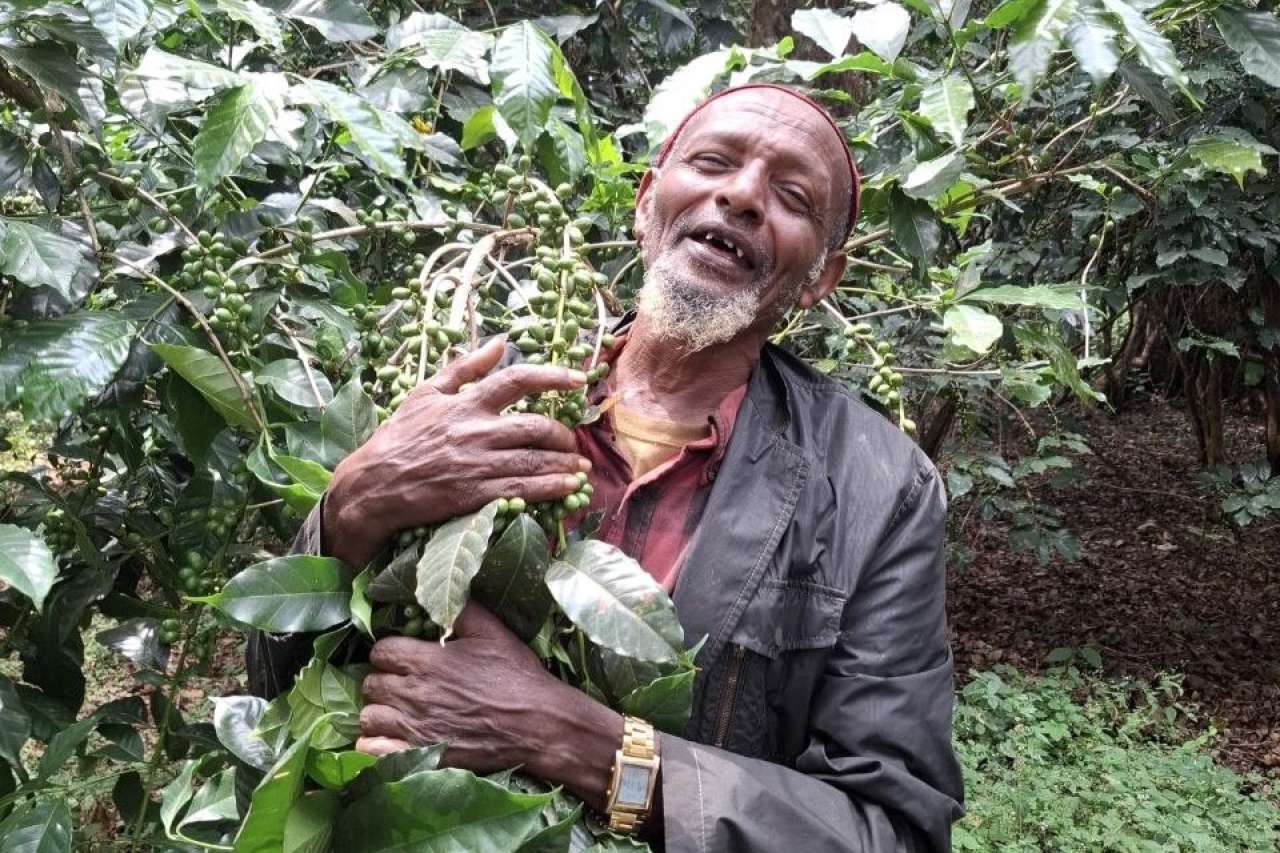
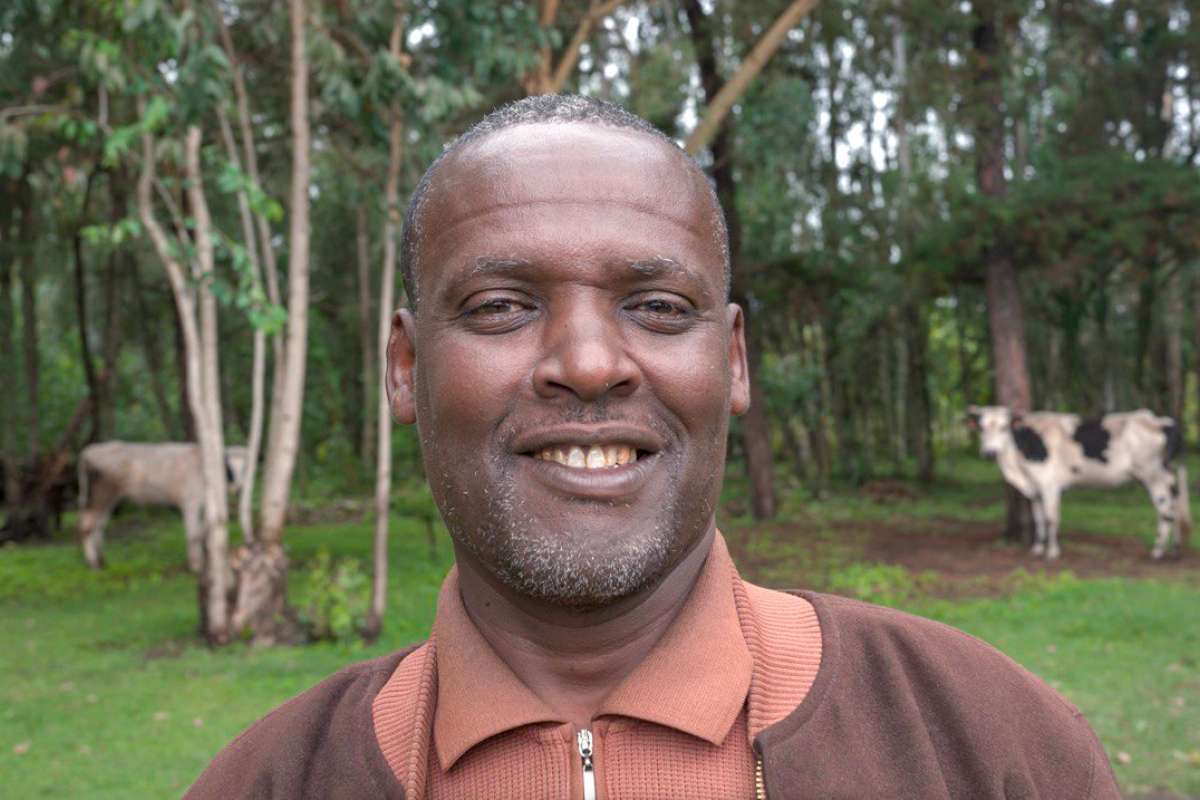
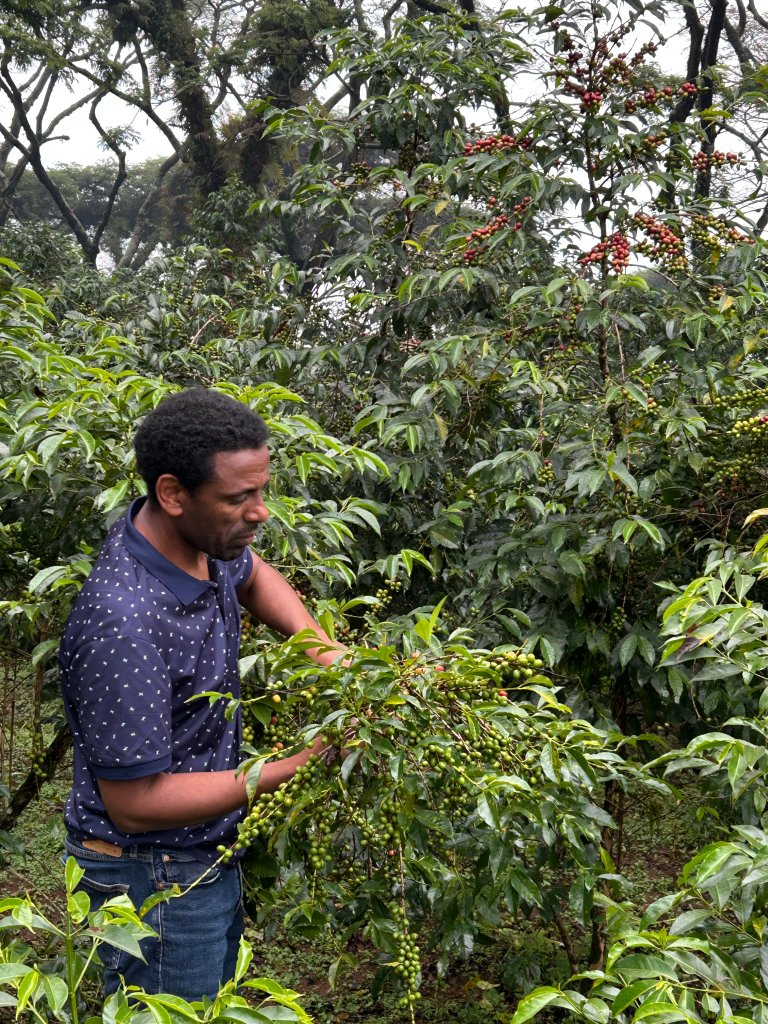
A farmer standing beside a coffee bush at Qallo site, Harena Buluk district, southeastern Ethiopia. Farmers Farmers helped the researchers understand local conditions. Photo by Dejene Worku
To map Ethiopia’s coffee forests from above, researchers first need to understand them from the ground: what grows beneath the canopy, how the land is managed, and how these landscapes support local livelihoods.
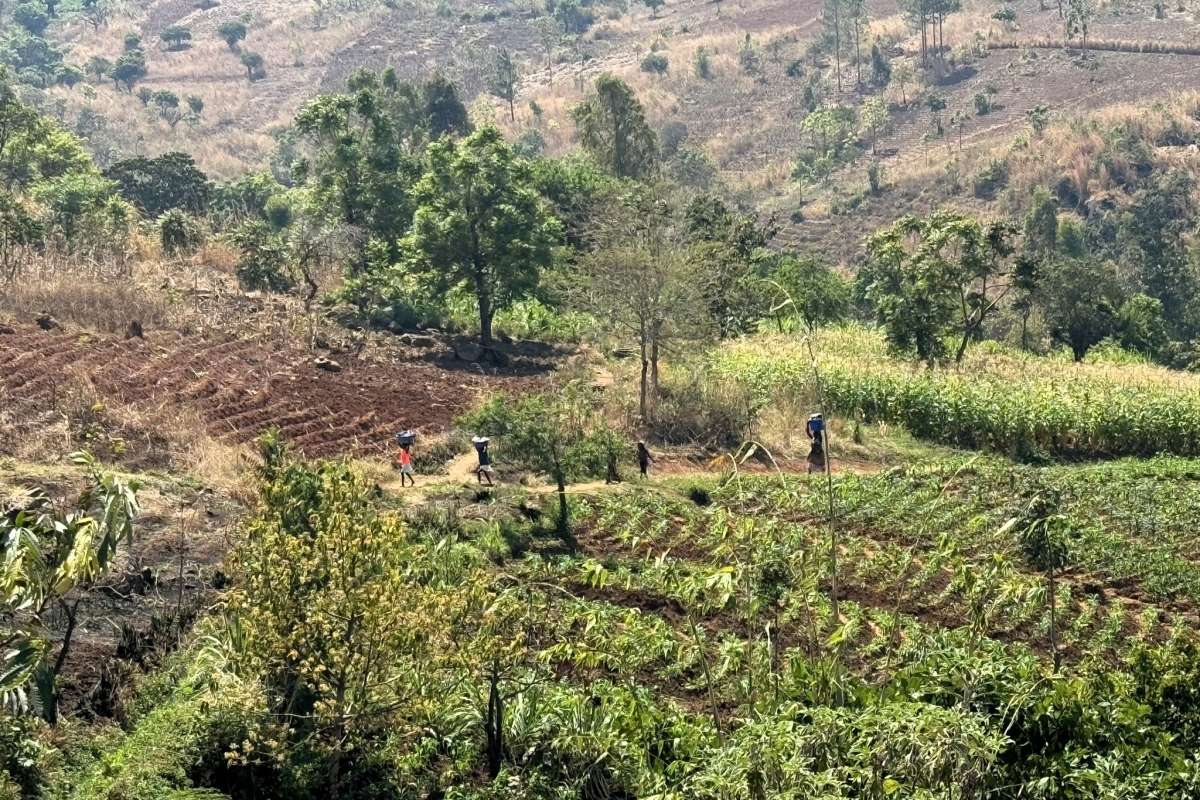
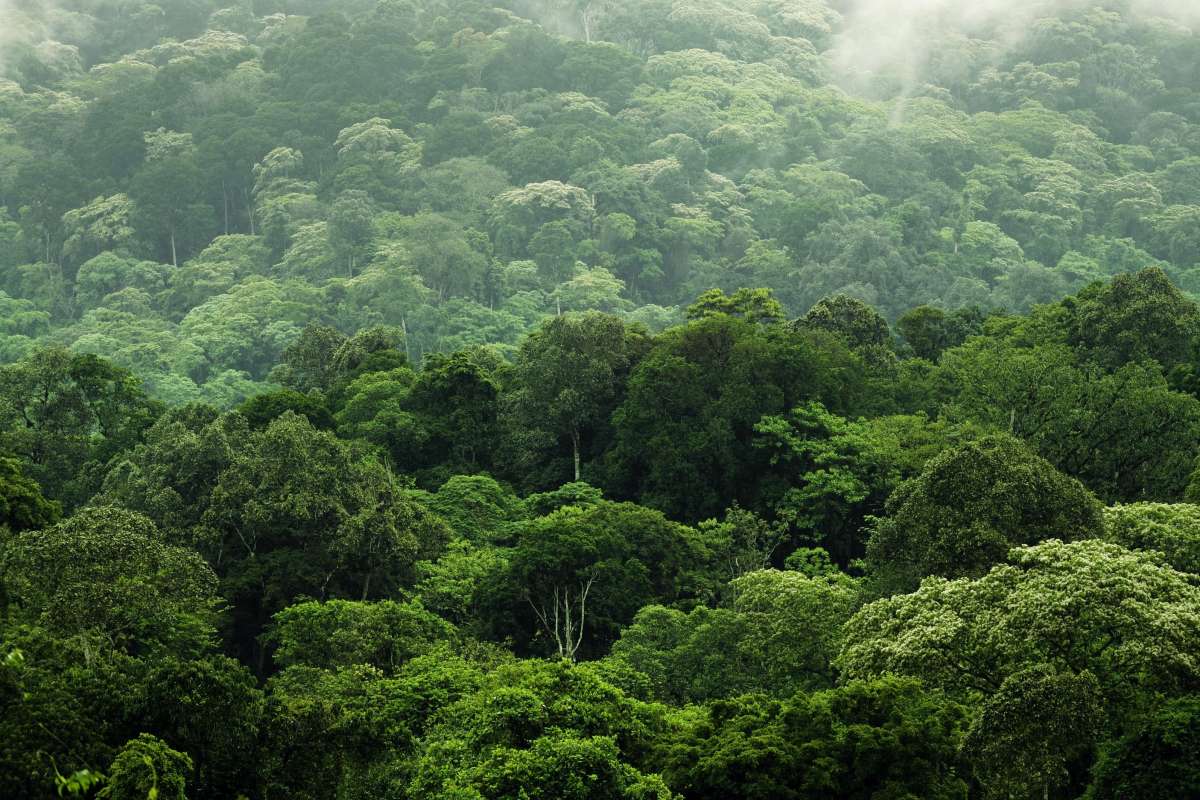
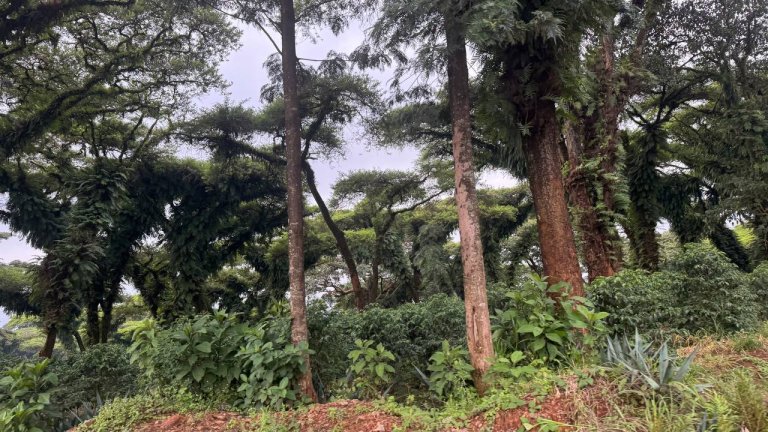
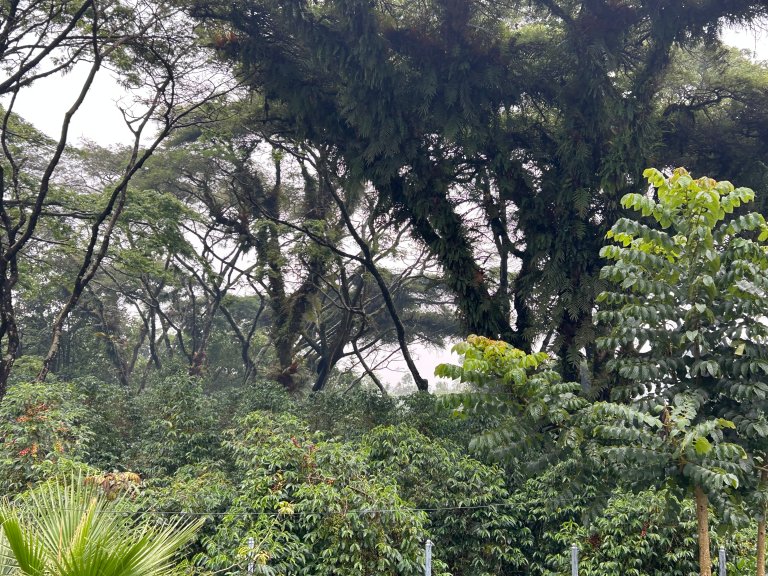
In Ethiopia, a coffee forest can take many forms. Traditionally, wild coffee grows beneath a dense forest canopy, with little human intervention. Nearby, coffee may grow in selectively thinned forests, while around farmers’ homes it is often cultivated in gardens, mixed with food crops and growing alongside shade trees. Coffee is also grown in larger, more intensively managed plantations, where shade trees are retained or planted.
As part of the CoffeeLand project, researchers studied these different coffee-growing systems in two regions of Ethiopia: Jimma and Illubabor in the south-west, and the Bale Mountains in the south-east. The aim was to understand how coffee-growing landscapes vary and how these differences can be mapped.
Gathering knowledge on the ground
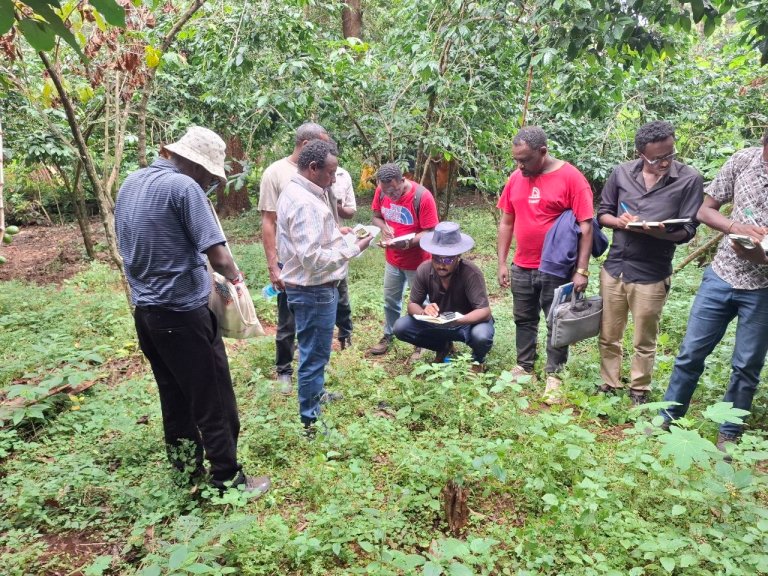
“Before digging deep into the soils and the canopy, we need to understand the different coffee-growing systems, where they occur and how they are managed. That starts with learning from the farmers who manage these landscapes. That was the purpose of the extensive reconnaissance mission,” explains Dr Belachew Gizachew, project leader and research scientist at NIBIO.
In September 2026, the CoffeeLand research team travelled through the regions ahead of the October–November harvest. They set out to identify the different coffee-growing systems, learn how farmers manage them and select sites for the main field studies.
The mission gave researchers an opportunity to explore the landscapes with farmers, learn how coffee production supports their livelihoods, and examine how the different systems vary with elevation.
“Coffee forest isn’t one uniform system. Each has its own vegetation structure and different opportunities and challenges for farmers,” Dr Gizachew emphasises.
Understanding these systems means looking beyond the coffee plants themselves.
“We also want to understand which trees farmers prefer not to grow alongside their coffee, how they manage the trees, and what pressures they face. Ultimately, we want to understand how much carbon and biodiversity these systems support,” he says.
Semi-forest coffee is the most widespread
The survey confirmed that semi-forest coffee was the most widespread system, followed by garden coffee. Both were found mainly at mid- and lower elevations, while wild forest coffee was relatively rare, occurring at low to mid elevations.
But the boundaries between these systems are not always clear. In the south-east alone, researchers recorded 88 locations. This revealed a landscape considerably more varied than a simple distinction between forest coffee and semi-forest coffee might suggest.
In some places, the transition from one system to another is gradual. Farmers may manage more than one system on the same farm, while the distribution of different systems also changes with elevation.
“The boundaries between them are not simply geographical. They reflect different degrees of management, from naturally occurring coffee beneath forest cover to intensively managed farms,” Dr Gizachew explains.
A landscape under pressure
The survey also revealed some of the pressures facing Ethiopia’s coffee-growing systems.
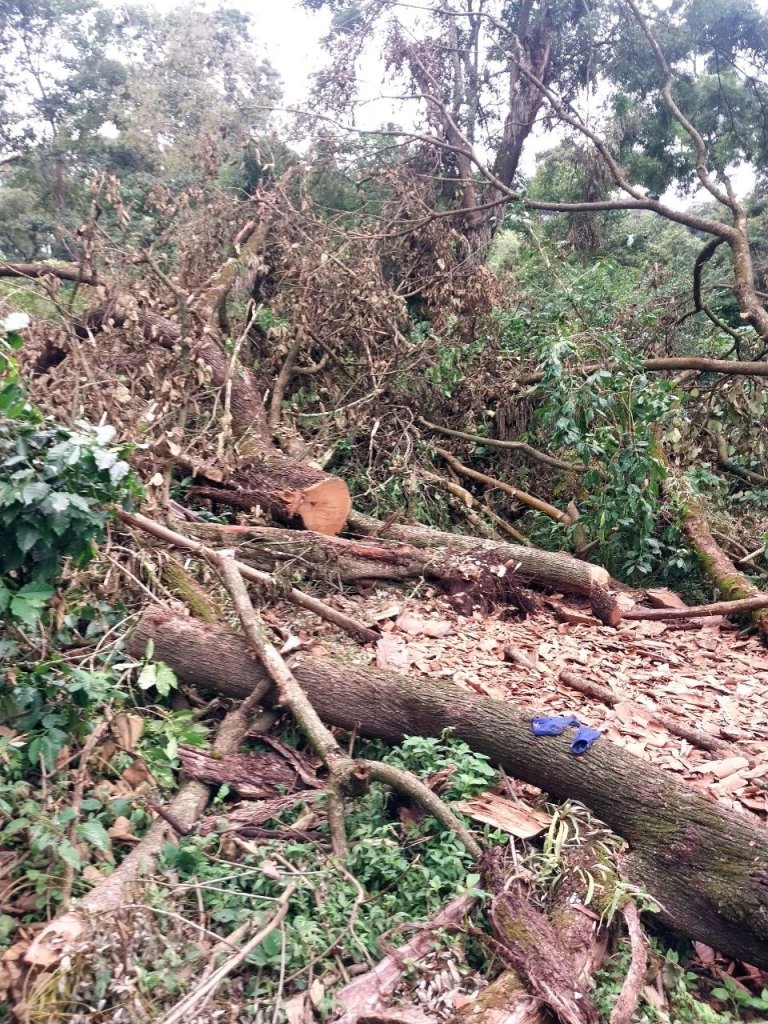
In several areas, coffee land is increasingly being converted to other crops, including khat. This is a cash crop grown for its leaves, which have mild stimulant properties and can be harvested several times a year. For farmers, these changes may offer a more reliable income, but they also raise questions about the future of coffee-forest systems.
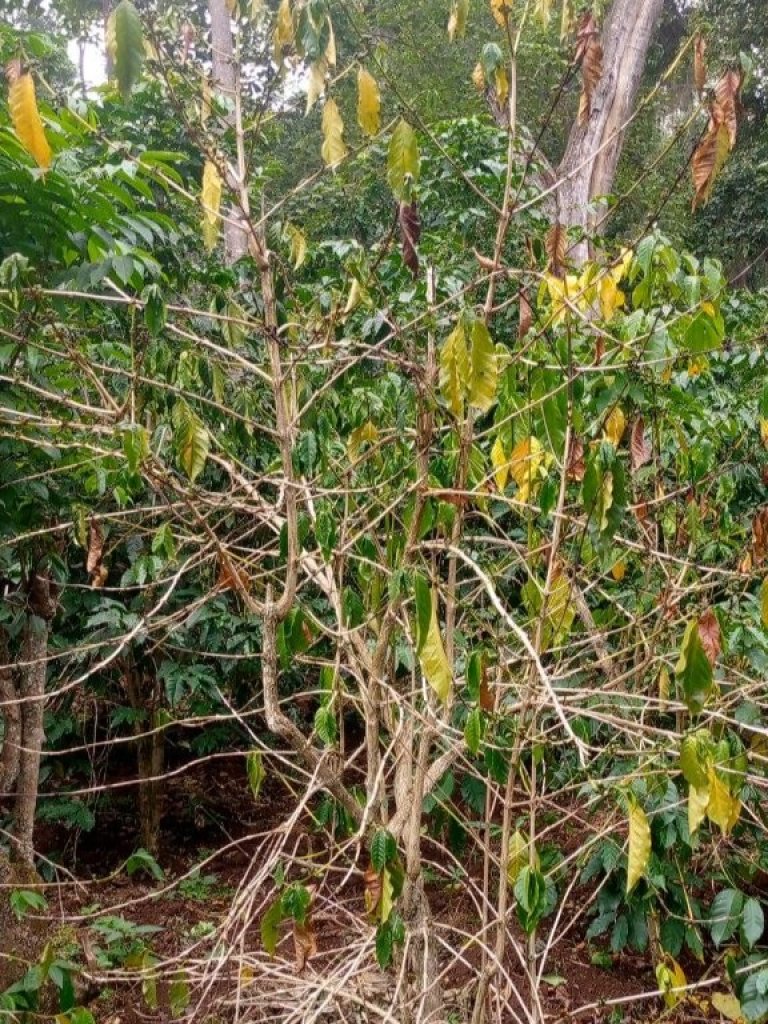
Coffee plants face other threats, too. During fieldwork, researchers observed signs of Coffee Wilt Disease and berry rot, while insects and monkeys were also reported to damage coffee plants and reduce production.
Important lessons
The survey was not without its challenges. Difficult roads, long distances and remote farms made some potential study sites hard to reach. The team also found that some coffee-growing systems were absent from certain elevation ranges, while the relatively small number of plantation sites made it difficult to obtain a balanced picture of all four systems.
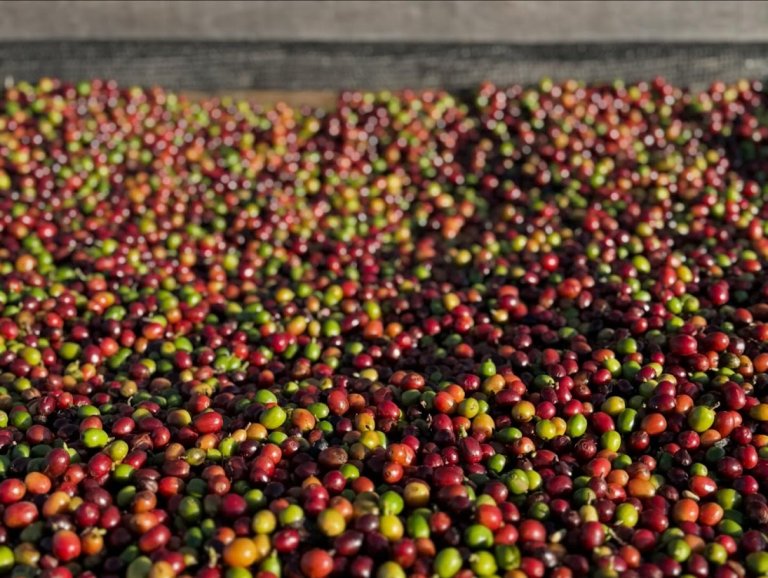
The findings will help guide the next phase, which will entail more extensive fieldwork during the October–November coffee harvest. At this stage researchers can measure yields, collect coffee berries and interview farmers.
“The harvest is a crucial time to measure coffee yields, and most farmers will be working on their farms, allowing us to coordinate berry collection and interviews,” says Dr Gizachew.
Partnerships are vital
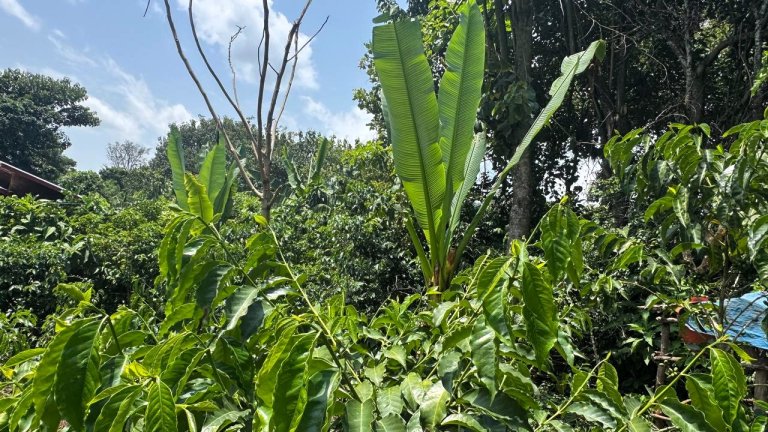
Reaching these remote landscapes also depended on local knowledge and collaboration.
Experienced researchers and drivers from Jimma University and Madda Walabu University were essential to the fieldwork. Farmers, local experts, development agents and authorities also helped the team identify suitable sites and understand local conditions.
“Maintaining these partnerships will be vital as CoffeeLand moves from reconnaissance towards more detailed data collection,” Dr Gizachew says.
Supporting people and nature
The surveys show that there is no single model of an Ethiopian coffee forest.
“There are forests, farms and everything in between, shaped by the ways farmers manage their land and respond to changing markets, climate and the need to sustain their livelihoods,” says Dr Gizachew.
Understanding these differences is essential to finding ways to sustain coffee production while conserving the forests and biodiversity that make these landscapes so valuable.
Contacts

Belachew Gizachew Zeleke
Research Scientist
-
Division of Forest and Forest Resources
(+47) 902 48 909 belachew.gizachew@nibio.no Office Location: Ås H8
Facts about the CoffeeLand project
The CoffeeLand project, led by NIBIO in collaboration with Norwegian and Ethiopian partners, aims to co-create knowledge and tools to strengthen climate-smart management of coffee forests in Ethiopia.
By combining field measurements, satellite data and AI in remote sensing, the project will map coffee-forest structure and extent, carbon stocks and ecosystem health, and explore how these factors influence coffee yield and quality.
Contacts
Belachew Gizachew Zeleke
Research Scientist
-
Division of Forest and Forest Resources
(+47) 902 48 909 belachew.gizachew@nibio.no Office Location: Ås H8