Waste heat could mean more Norwegian vegetables
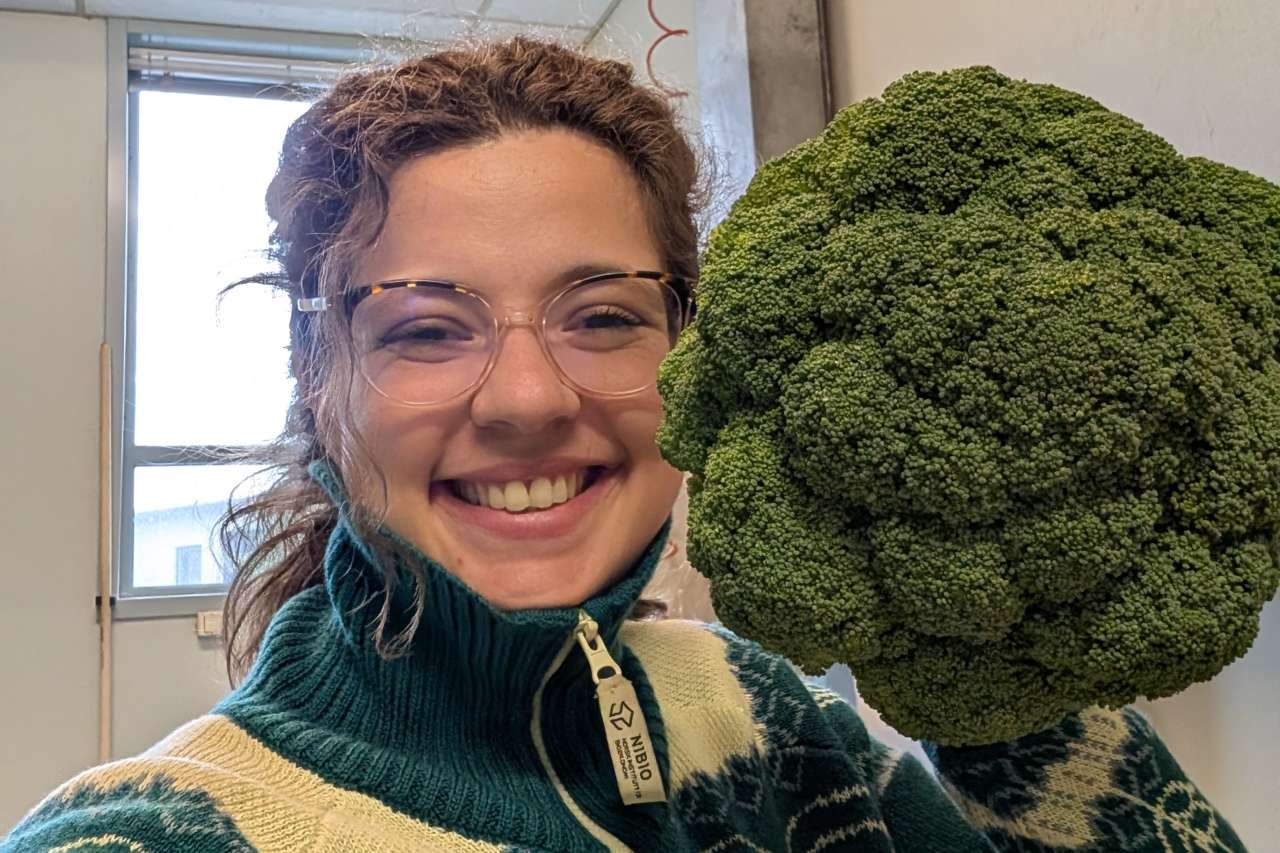
Carolina Palma explains that warming the soil can extend the growing season and make it possible to harvest broccoli and other vegetables twice in a single growing season. Photo: Carolina Palma / NIBIO
What if it were possible to harvest Norwegian vegetables twice per season? Or to grow slightly more heat-demanding crops outdoors? Researchers at NIBIO want to make this possible by using waste heat from industry.
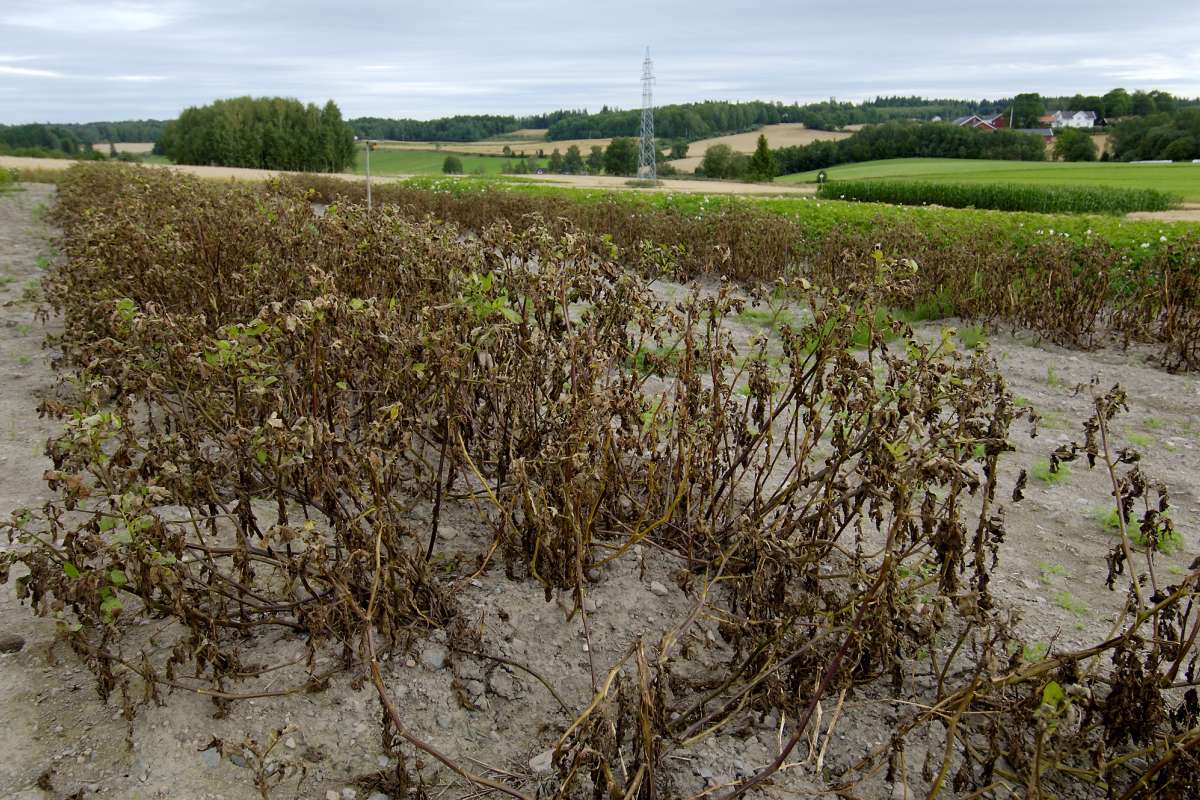
Norway’s growing season is relatively short, and many people may find spring a somewhat frustrating time of year. The sun starts to appear and air temperatures rise, yet it still takes a long time before the soil is warm enough for cultivation. This is something Carolina Palma, a researcher at NIBIO Særheim, wants to address. She is investigating whether soil heating could be used to extend the growing season.
Heating the soil with waste heat
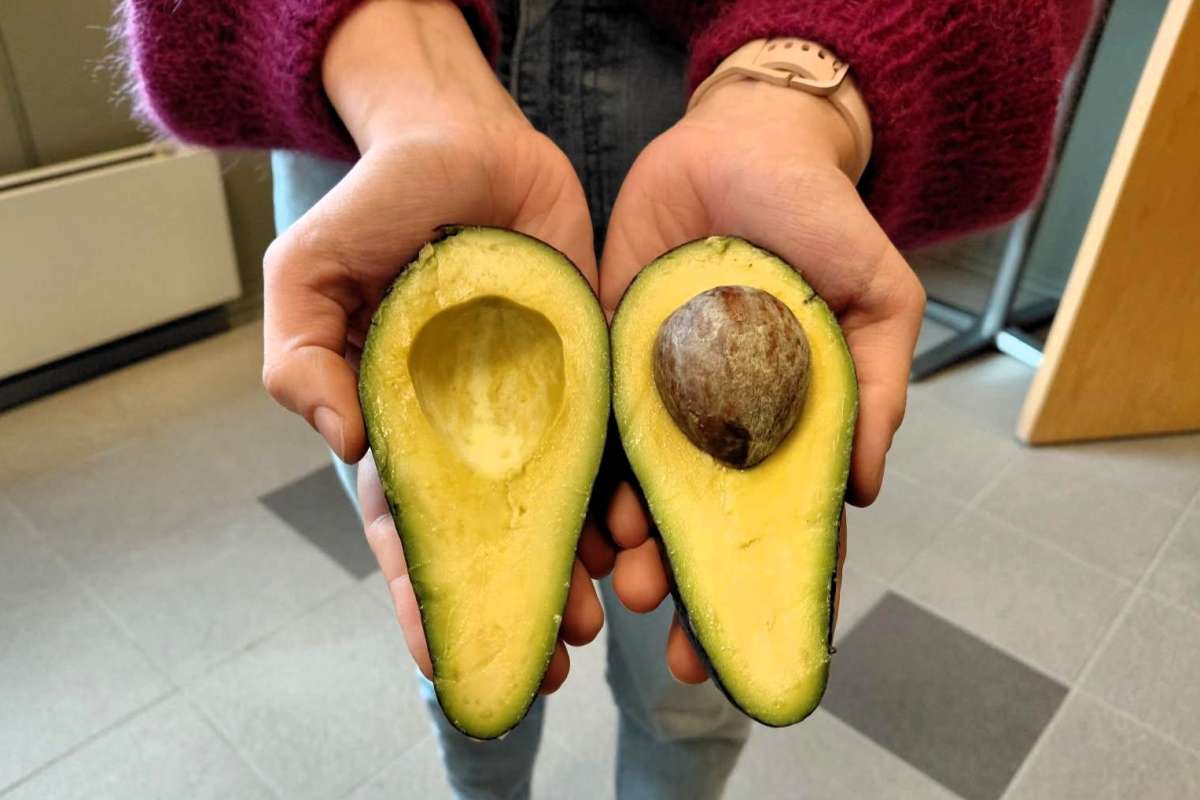
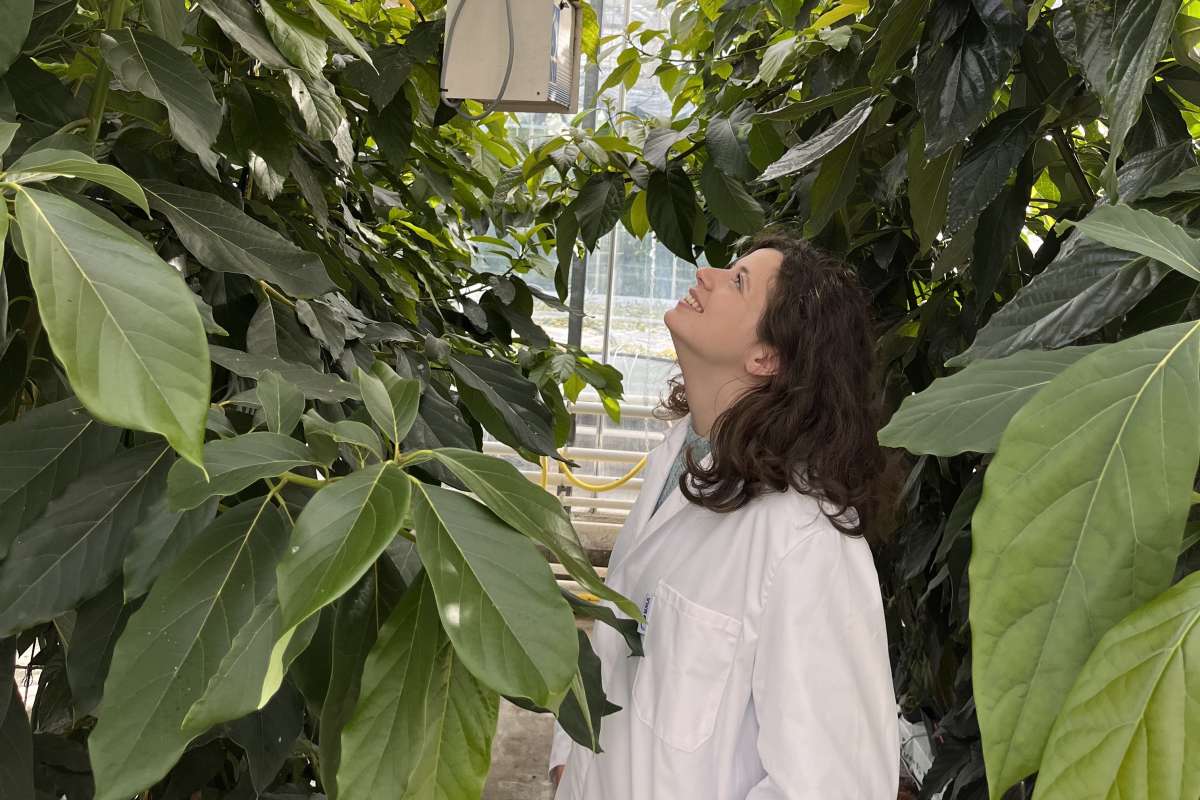
Palma normally works with heat-demanding crops such as avocado in greenhouses. There, she studies how waste heat from industry can be used to heat greenhouses instead of electricity or gas. She also sees other potential uses for waste heat.
“Waste heat from industry can be used outdoors as well as indoors,” she explains.
Industries that generate large amounts of heat, such as data centres, use cold water for cooling. This heats the water, which is often released into fjords or the sea, or into the air as water vapour.
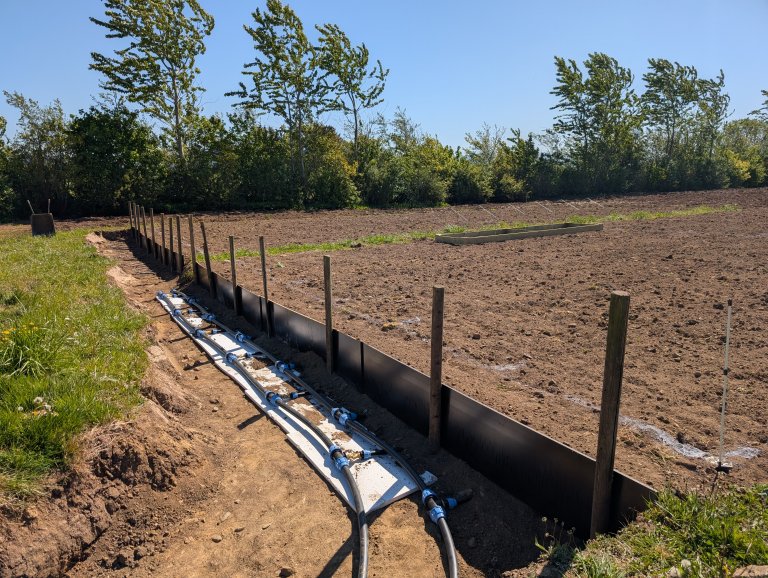
“A better alternative could be to channel the water into greenhouses, or through pipes beneath the soil. By directing the water underground, we can slightly increase soil temperature, allowing the growing season to start earlier,” Palma explains.
The warm water can also help maintain soil temperature later into the autumn.
“We believe it is possible to extend Norway’s vegetable growing season by a few weeks in spring and a few weeks in autumn. This could be enough to plant and harvest vegetables such as broccoli twice in one season.”
Today, the Norwegian vegetable market is largely dependent on imports. About half of the vegetables eaten by Norwegians come from other countries.
“Soil heating could be a major step towards greater self-sufficiency in Norwegian vegetables,” says the researcher.
“It could also increase vegetable production in northern regions, where the growing season is even shorter.”
More – and more types of – Norwegian vegetables
Soil heating would not only make it possible to grow more vegetables but could also open the door to cultivating a wider range of crops in Norway.
At NIBIO Landvik in Grimstad, researchers have worked for several years on growing sweet potatoes outdoors. Researcher Emilie Sandell has conducted variety trials in sweet potato.
“We manage to grow sweet potatoes in Norway using canopy covers and surface mulch, but not all varieties perform equally well. The varieties we have had the most success with are patented and expensive, which makes production quite costly.”
By heating the soil, Sandell sees opportunities to reduce production costs.
“With soil heating, it may be possible to grow non-patented varieties in Norway. That would significantly reduce costs.”
Palma has carried out trials with sweet potatoes grown in heated soil in Jæren, and the results are promising.
“The sweet potatoes grown with soil heating were large and attractive – just like the ones you find in shops.”
Sandell nevertheless stresses that there are more challenges involved in introducing new crops such as sweet potatoes than purely technical ones.
“It can be expensive to establish a new vegetable crop in Norway, and that requires a willingness to pay from consumers. I believe many of the challenges related to increasing the range of Norwegian vegetables lie in the market.”
%20MariaH%C3%B8rte_liggende.JPEG)
Several unanswered questions
There is still considerable work to be done before Norwegian farmers can adopt soil heating. Several key questions must first be answered.
“Soil is one of our most important resources for food production. That’s why we need to understand how it is affected by heating,” Palma explains.
“What happens, for example, to soil microorganisms when the soil is heated? Does soil structure change? Will soil quality deteriorate after several years of heating? These are questions we need answers to.”
Palma also points out that practical aspects must be studied.
“Will the pipes beneath the soil withstand tractors driving over the field? And how much will this cost for farmers?”
Palma hopes to be able to address these questions.
“There are many questions, but the potential is huge – both for Norwegian food self-sufficiency and for the Norwegian vegetable market.”
Contacts

Carolina Falcato Fialho Palma
Research Scientist
-
Division of Food Production and Society
(+47) 411 99 521 carolina.palma@nibio.no Office Location: Særheim
Soil Heat
The Soil Heat project aims to develop practical solutions for heating soil to extend the growing season in Norway and increase local food production.
The project is funded by the Research Council of Norway (project number 342631).
The growing season in Norway
In agriculture, the growing season is defined as the period when the ground is free of snow, and the daily mean temperature remains above 5°C for approximately one week. The length of the season varies considerably across the country, but it typically starts in April/May and lasts until September/October. The growing season is considered to end with the first frost.
Source: snl.no
.jpg)
Contacts
Carolina Falcato Fialho Palma
Research Scientist
-
Division of Food Production and Society
(+47) 411 99 521 carolina.palma@nibio.no Office Location: Særheim